Filamu Shredder dhidi ya Crusher: Ni Mashine Gani Inashinda Kweli kwa Filamu ya Plastiki?
Ikiwa unatafuta vifaa vya urejelezaji, huenda umeshuhudia maneno “shredder” na “crusher” yakitumiwa karibu kwa kubadilishana. Kwenye karatasi, zote hufanya kazi sawa: zinachukua vipande vikubwa vya plastiki na kuviunda vidogo.
Lakini hapa ni ukweli: katika dunia ya plastiki nyembamba, nyumbulika, na yenye kustahimili, mashine hizi mbili ni tofauti kama nyundo na sindano.
Kuchagua mashine sahihi ya kusaga filamu kunaweza kusababisha matatizo ya kuunganishwa mara kwa mara, injini zinazowaka moto, na bidhaa ya mwisho ambayo mstari wako wa kusafisha hauwezi kuhimili. Tuchambue mambo ya kiufundi ili uweze kufanya uamuzi wa habari kuhusu aina gani ya mashine ya kusaga filamu inakidhi mahitaji yako.
Kusaga: “Mtu Mkali” wa Nzito
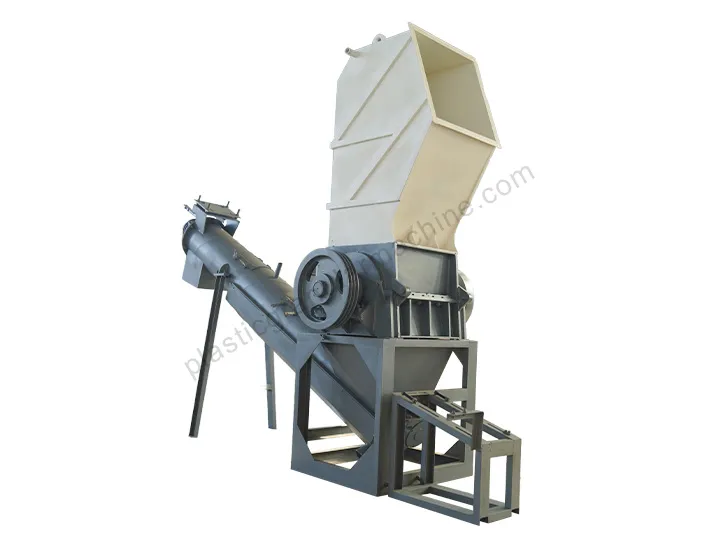
Fikiria mashine ya kusaga kama mnyama wa torque kubwa, mwendo wa chini. Mashine nyingi za viwandani hutumia shimoni moja au mbili zenye visu kubwa, vilivyoshikiliwa na hook, vinavyozunguka polepole.
- Jinsi inavyofanya kazi: Inatumia nguvu ya asili kuangusha vifaa. Ni bora kwa vifaa vizito, nene, au vilivyobeba bales ambavyo vinaweza kusababisha mashine nyepesi kusimama.
- Hasara kwa Filamu: Kwa sababu filamu ni nyembamba sana, mashine ya kawaida ya kusaga kwa mwendo polepole mara nyingi huishiwa uwezo wa kuikamata kwa ufanisi. Vifaa vinaweza kuruka kati ya visu au, mbaya zaidi, kuzungukwa kwa tightly kuzunguka shimoni, kuunda kiungo kikubwa ambacho ni ndoto ya kuondoa. Hii ni tatizo la kawaida kwa vifaa visivyoundwa mahsusi kama mashine ya kusaga filamu.
Crusher: Mtaalamu wa Mwendo wa Juu
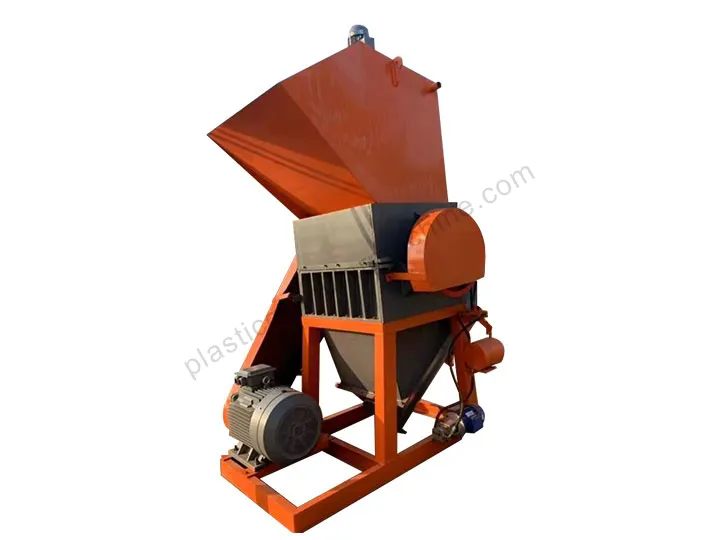
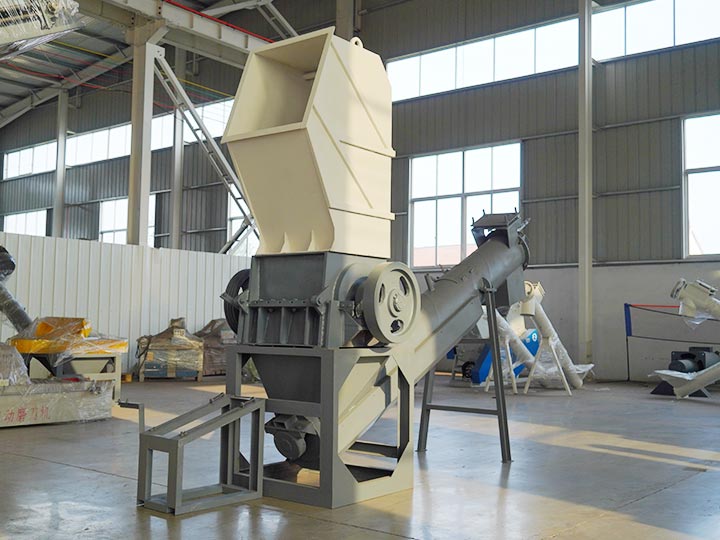
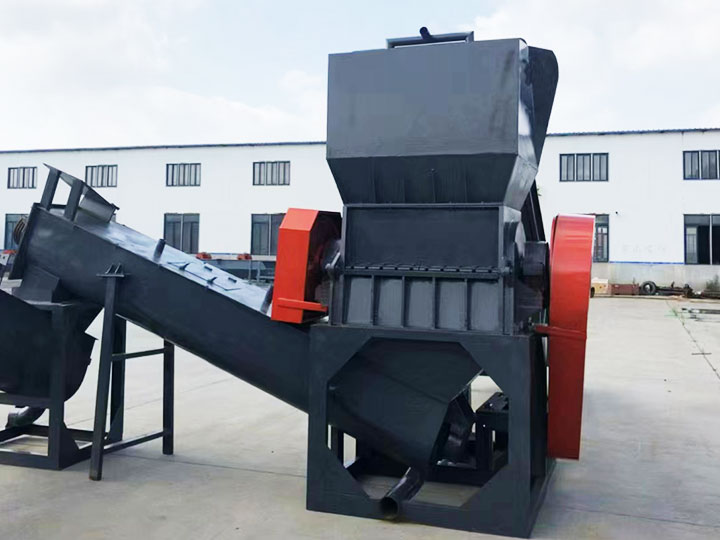
This is where things get interesting for film and bag recycling. A plastfilm krossmaskin, which functions as a high-speed film shredder machine, operates on a completely different principle.
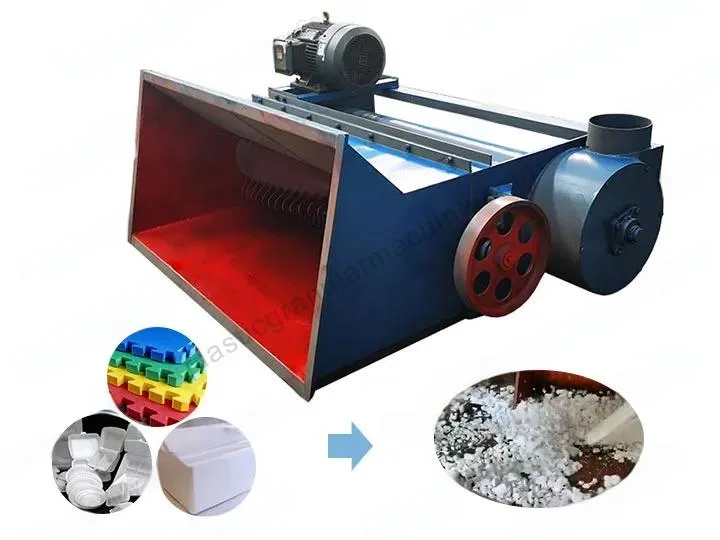
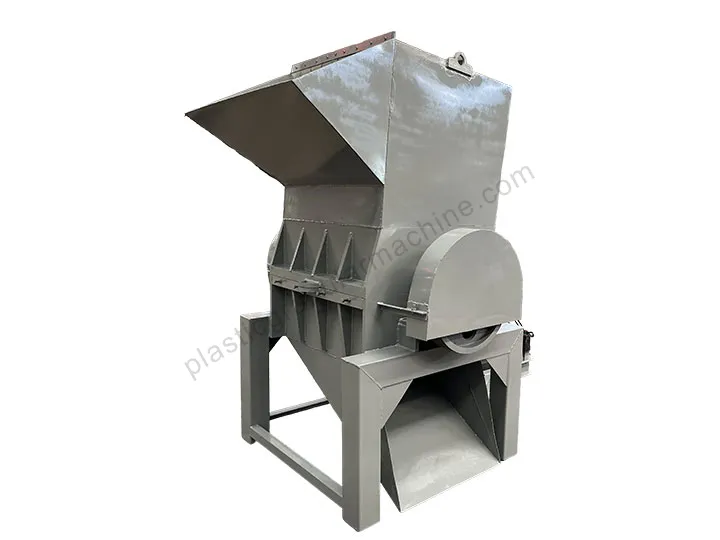
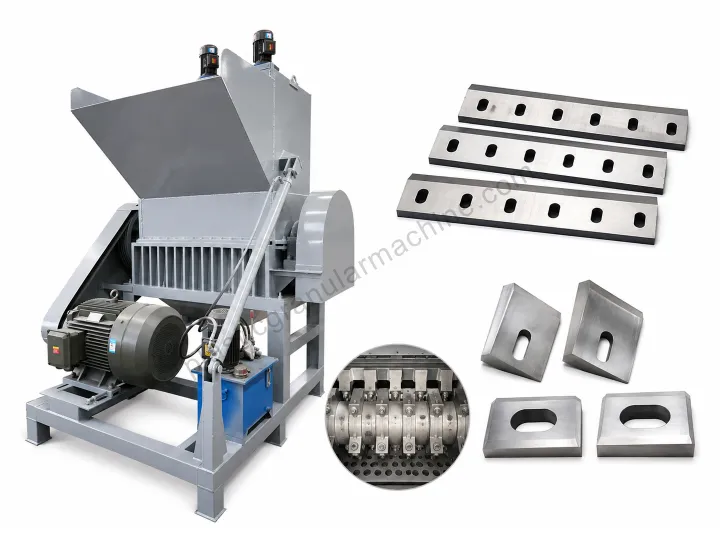
- Jinsi inavyofanya kazi: Ina rotor iliyo na visu vingi vyenye ncha kali zinazopita karibu sana na visu vya stator vilivyowekwa. Haina “kukatakata”; inakata kwa “kuhisi”. Fikiria kitendo cha kukata kwa kasi sana kinachotokea mara elfu kadhaa kwa dakika.
- Kwa nini inashinda kwa Filamu: Kitendo cha kukata kwa kasi sana ni hasa kinachohitaji filamu ya LDPE na PP inayonyumbulika. Badala ya kuwa na wakati wa kuzunguka kwenye rotor, filamu inakatwa mara moja kuwa flakes ndogo, za kawaida.
- Matokeo: Unapata bidhaa safi, thabiti (flakes) inayofaa kwa kuosha kwa msuguano na kukausha.
Ulinganifu wa Moja kwa Moja: Kusaga vs. Crusher
| Funktion | Kusaga kwa Viwanda | Crusher Maalum ya Filamu (kama Mashine ya Kusaga Filamu) |
|---|---|---|
| Hastighet | RPM Ndogo, Torque Kubwa | RPM Kuu |
| Kitendo | Kukata / Kukwaruza | Kuhisi kwa Usahihi |
| Vifaa Bora | Bales, Mabomba Nene, Matairi | Filamu, Mifuko, Mifuko ya Mifuko, Mbao Nyembamba |
| Utgångsstorlek | Vipande Vikubwa, Visivyo vya Kawaida | Flakes Ndogo, za Kawaida (10-20mm) |
| Underhåll | Nzito, Mara chache | Kudumisha upya kwa usahihi |
Tatizo la “Kuzungukwa”: Jinsi Muundo Unavyookoa Siku
Malalamiko #1 kutoka kwa wasimamizi wa kiwanda ni: “Mashine yangu imejaa tena kwa sababu filamu imezungukwa kuzunguka shimoni.”
Wakati tunapounda mashine ya kusaga filamu ya EFFICIENT, tunashughulikia hili kwa muundo maalum wa visu. Kwa kutumia rotor wa “V-shaped” au mpangilio wa visu uliopangwa kwa msururu, mashine inahimiza filamu kuelekea katikati ya eneo la kukata mara kwa mara. Muundo huu ni muhimu kwa mashine ya kusaga filamu yenye utendaji wa juu na huzuia “madhara ya spaghetti” ambapo filamu huhamia kwa mwelekeo wa bearings na kusababisha hitilafu ya kiufundi.
Nini Unahitaji?
Jibu linategemea kabisa vifaa vya kuingiza na malengo yako:
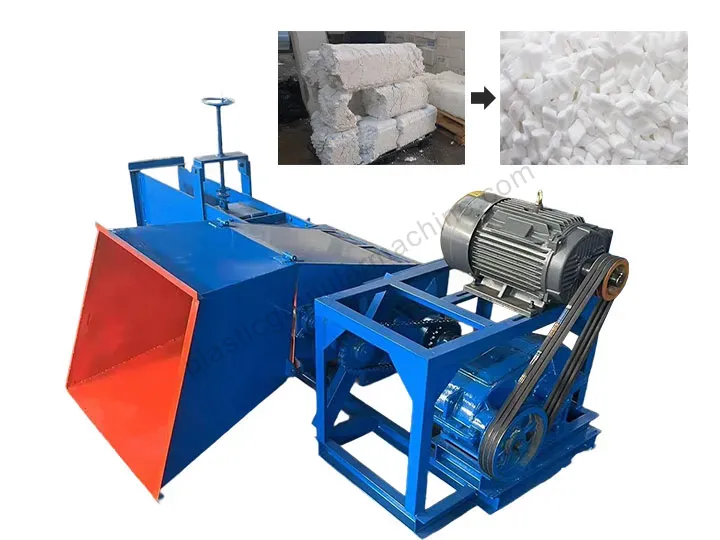
- Je, una bales za kilo 500 za filamu iliyofungwa kwa tightly? Labda unahitaji mashine nzito kama “mchakato wa awali” wa kuvunjavunja bales kabla ya kuziweka kwenye crusher maalum.
- Je, una filamu huru, vipande vya kiwanda, au mifuko? Crusher ya filamu ya plastiki kwa kasi sana—aina bora ya mashine ya kusaga filamu kwa kazi hii—ni chaguo bora zaidi, chenye gharama nafuu zaidi. Itakupa ukubwa wa flakes unaohitajika kwa urejelezaji wa ubora wa juu.
Maoni ya Mwisho
Usiruhusu istilahi kukuchanganya. Lengo siyo tu “kuvunjua” plastiki—ni kuandaa kwa maisha ya pili. Kwa matumizi mengi ya urejelezaji wa filamu na mifuko, usahihi na kasi ya crusher maalum itashinda kila wakati mashine ya kusaga ya jumla. Kuwekeza kwenye mashine sahihi ya kusaga filamu tangu awali kunakukwepa na maumivu ya kichwa na pesa.
Bado hujui ni aina gani ya rotor inayofaa kwa taka yako maalum? Tuma sampuli ya vifaa vyako au zungumza na mhandisi wa EFFICIENT leo. Tutakusaidia kuendana mashine na vifaa vyako kwa ufanisi wa juu.