What Can You Make From Shredded Tires? 6 Profitable End Products
Every year, over a billion tires reach the end of their life — and instead of piling up in landfills, they can become raw material for a surprising range of valuable goods. Once whole tires are reduced to uniform rubber chips, those shredded tires open the door to several established, profitable markets.
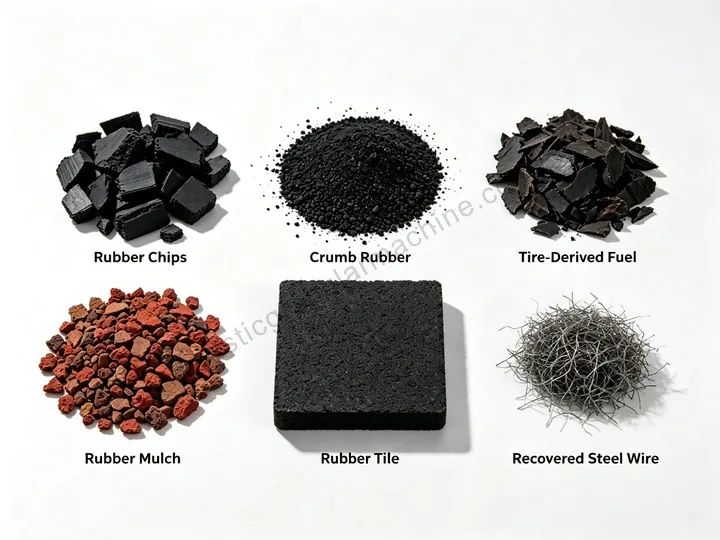
So what can you actually make from shredded tires? Below are six proven end products that recyclers around the world turn into steady revenue, along with the markets that buy them.
Why Shredded Tires Are So Valuable
Whole tires are bulky, hard to transport, and reinforced with steel wire — which is exactly why they’re difficult to reuse in their original form. Shredding solves this. By cutting tires into uniform blocks (typically 50–100 mm), shredded tires become easy to handle, store, and feed into downstream processing.
More importantly, this single step unlocks multiple revenue streams. The same batch of shredded tires can be sold as fuel, refined into fine rubber powder, or separated into clean recovered steel. Here are the six most profitable options.
1. Tire-Derived Fuel (TDF)
The most direct use of shredded tires is tire-derived fuel. Shredded rubber chips have a high calorific value — often comparable to or higher than coal — which makes them an attractive alternative fuel for:
- Cement kilns
- Power plants
- Industrial boilers
- Pulp and paper mills
Because TDF requires only coarse chips rather than fine powder, it’s the fastest and lowest-cost product to bring to market with shredded tires, making it a popular entry point for new recyclers.
2. Crumb Rubber and Rubber Powder
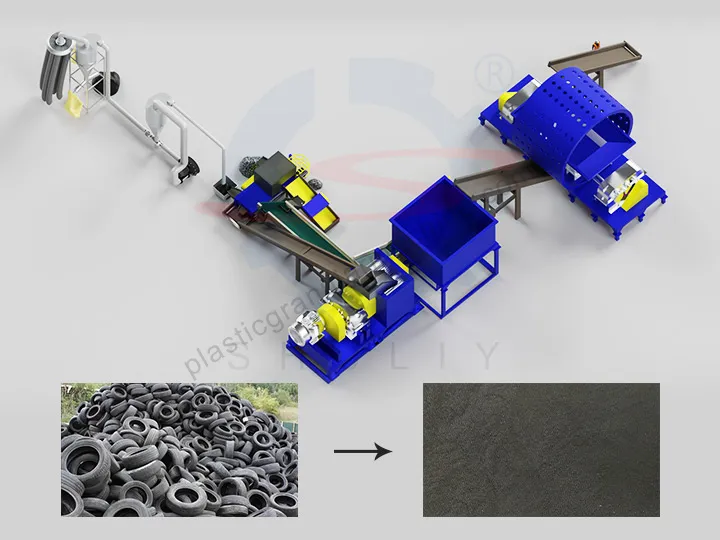
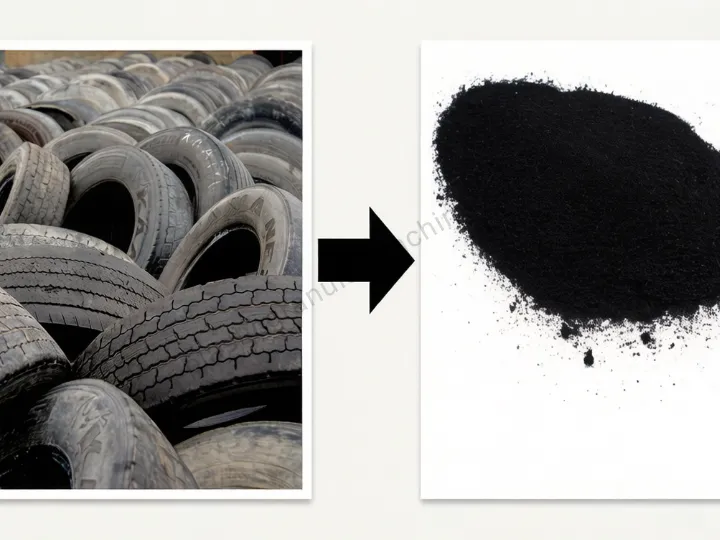
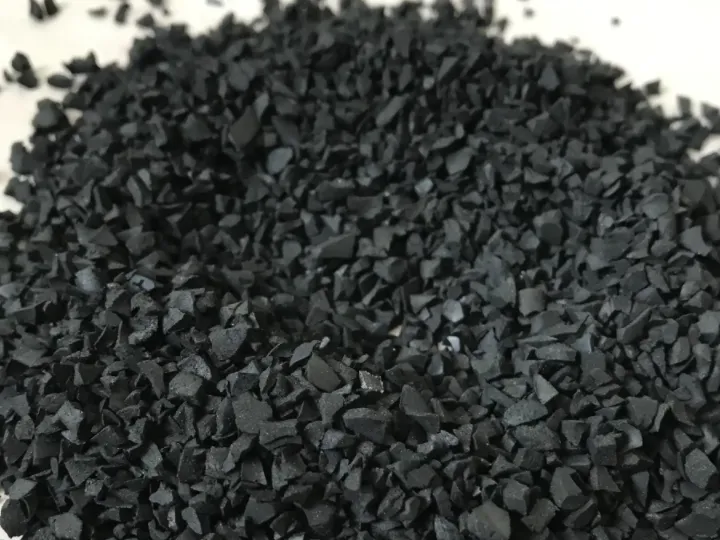
When shredded tires are further processed through grinding and separation, they become crumb rubber and fine rubber powder. This higher-value material is in strong demand for:
- Sports surfaces and running tracks
- Artificial turf infill
- Molded rubber products
- New rubber compounds and sealants
Crumb rubber commands a better price than raw fuel chips, so many operators start with shredded tires and gradually add grinding equipment to move up the value chain.
3. Rubber Mulch for Landscaping and Playgrounds
Rubber mulch is one of the most consumer-visible products made from shredded tires. Colored and screened rubber pieces are used for:
- Playground safety surfacing
- Landscaping and garden beds
- Walking paths and equestrian arenas
Rubber mulch doesn’t rot, retains color for years, and cushions falls — advantages that keep demand steady in residential and commercial markets alike.
4. Rubber Flooring, Mats, and Tiles
Compressed and bonded, shredded tires become durable rubber flooring, mats, and tiles. This is a large and growing market, with products used in:
- Gyms and fitness centers
- Livestock and stable flooring
- Anti-fatigue industrial mats
- Outdoor and rooftop tiles
Because these goods sell as finished consumer products, they often deliver the highest margins for recyclers who invest in molding capacity.
5. Rubber-Modified Asphalt
Blending fine rubber from shredded tires into road-paving mixes produces rubber-modified asphalt. This is a fast-expanding, infrastructure-scale market because rubberized asphalt:
- Extends road service life
- Reduces cracking and noise
- Improves durability under heavy traffic
Government road programs in many countries actively encourage recycled-rubber asphalt, giving suppliers of shredded tires a reliable, high-volume outlet.
6. Recovered Steel Wire
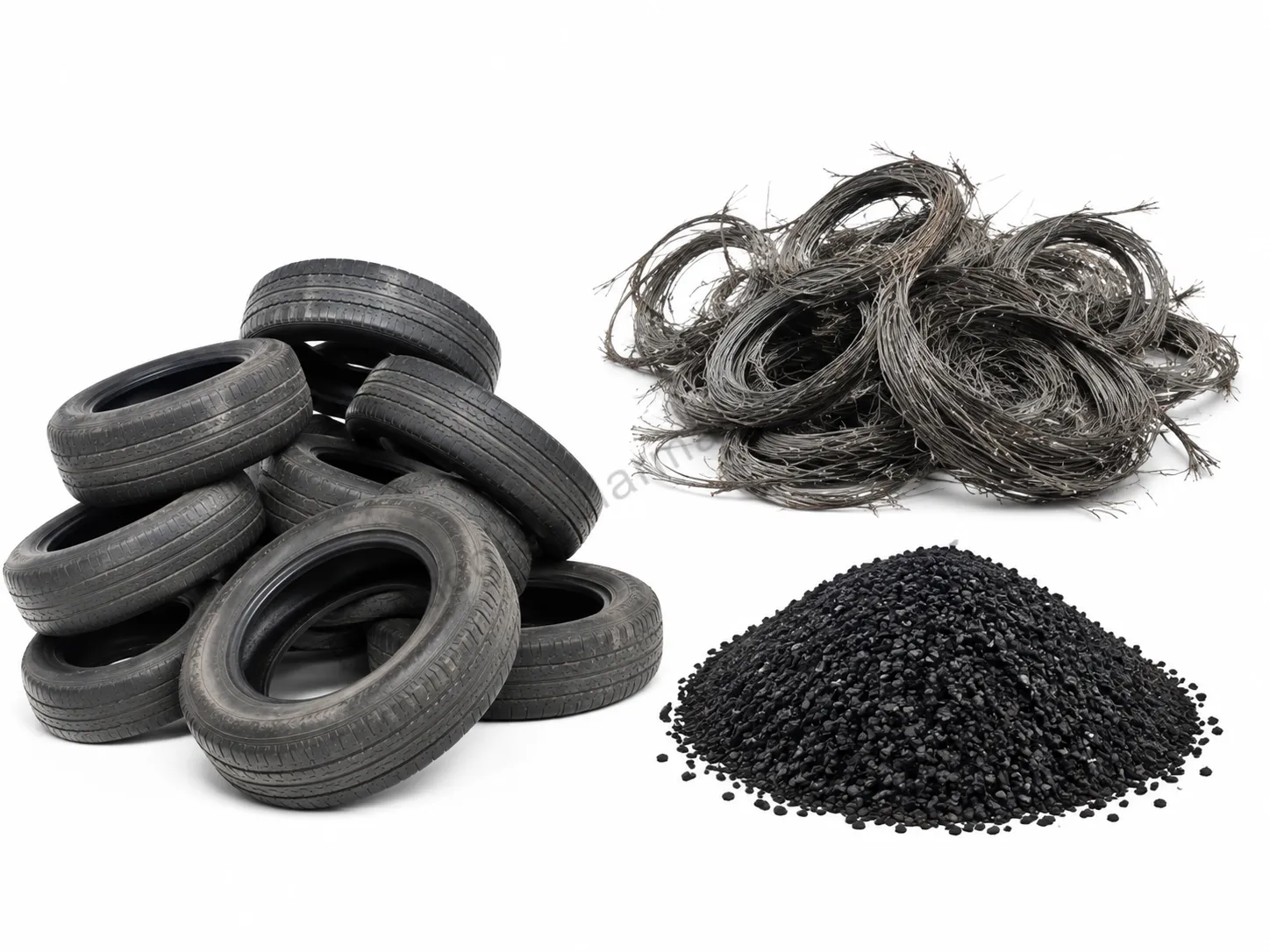
Tires aren’t just rubber. Once shredded tires pass through magnetic separation, the embedded steel belts are recovered as clean scrap steel wire. This recovered steel is sold to:
- مصانع الصلب والمسابك
- Metal recycling facilities
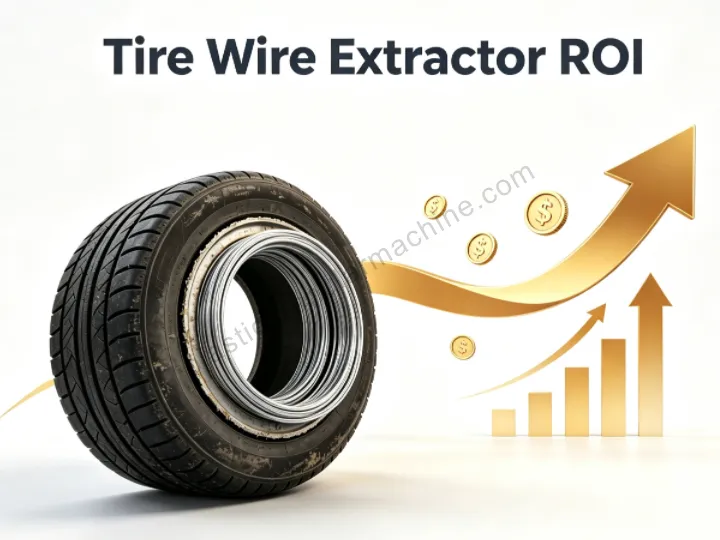
It’s an often-overlooked revenue stream that turns what many see as “contamination” into an additional income source from every ton of shredded tires processed.
From Whole Tires to Profitable Products: The First Step
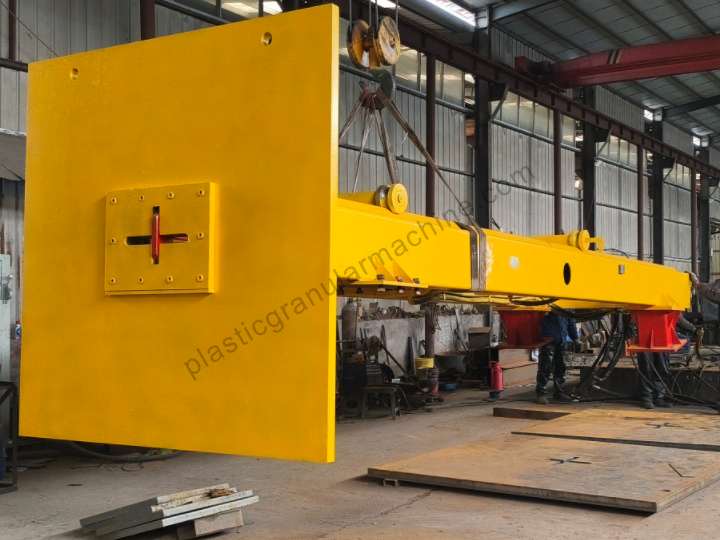
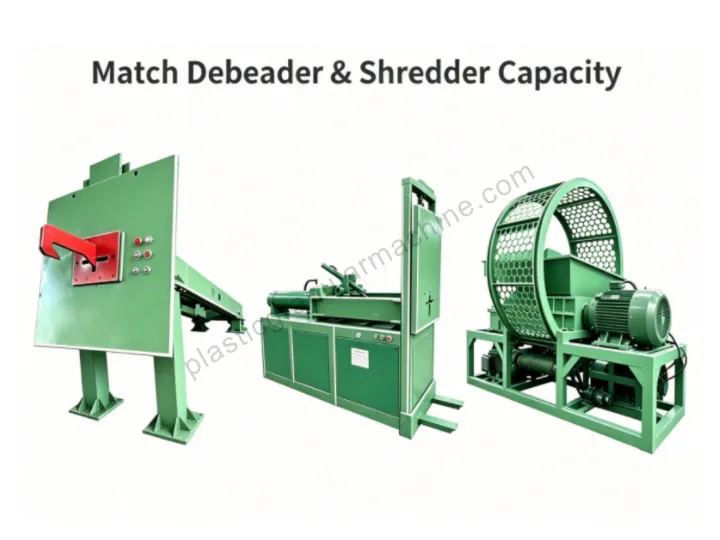
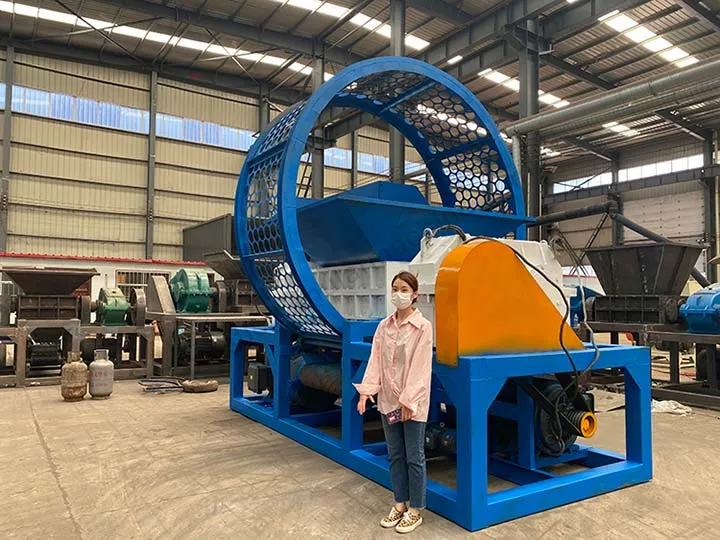
Every product above starts with the same step: reducing whole tires into consistent, manageable rubber chips. That’s the job of an industrial tire shredder. The right machine determines your throughput, output size, and how easily your shredded tires can move into these downstream markets.
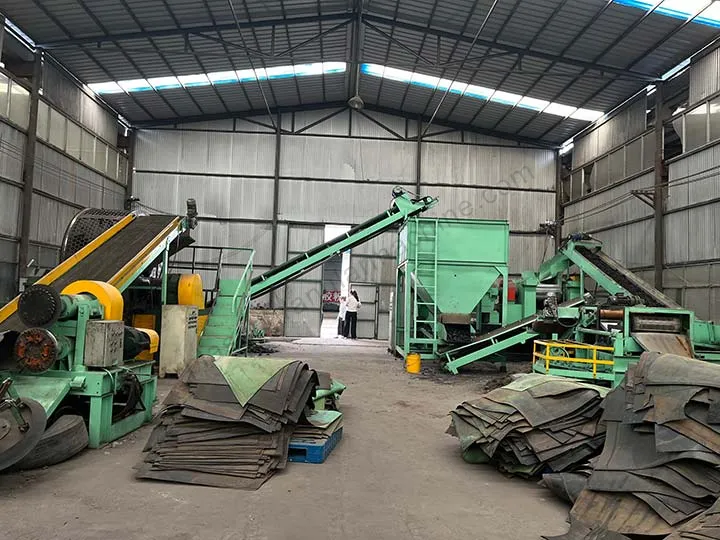
في EFFICIENT Machinery, we supply industrial tire shredders and complete recycling lines built to turn waste tires into all six of the products above — with capacity options for small workshops through large-scale plants, wear-resistant alloy blades, and adjustable output sizes to match your target market.
الأسئلة المتكررة
What is the most profitable product from shredded tires?
It depends on your investment level: TDF is the quickest to start, while crumb rubber, rubber flooring, and modified asphalt offer higher margins as you add processing equipment.
Do I need extra equipment beyond a shredder?
For fuel chips and steel recovery, a shredder with magnetic separation is enough. For crumb rubber and powder, you’ll add طحن and fiber-separation equipment downstream.
What output size do these products require?
Coarse chips suit TDF, while finer sizes are needed for crumb rubber and rubber products — an adjustable-screen shredder lets one machine serve multiple markets.
Turn Waste Tires Into Revenue With EFFICIENT Machinery
From tire-derived fuel to recovered steel, shredded tires are the foundation of a profitable recycling business. Contact EFFICIENT Machinery for a recommended مفرمة إطارات model, complete line design, and a quotation tailored to the products you want to sell.