Steel Tire Wire Scrap and Rubber: How Tire Recyclers Create More Value from Every Tire
Most people see an end-of-life tire as waste. Tire recyclers see something different—valuable materials waiting to be recovered.
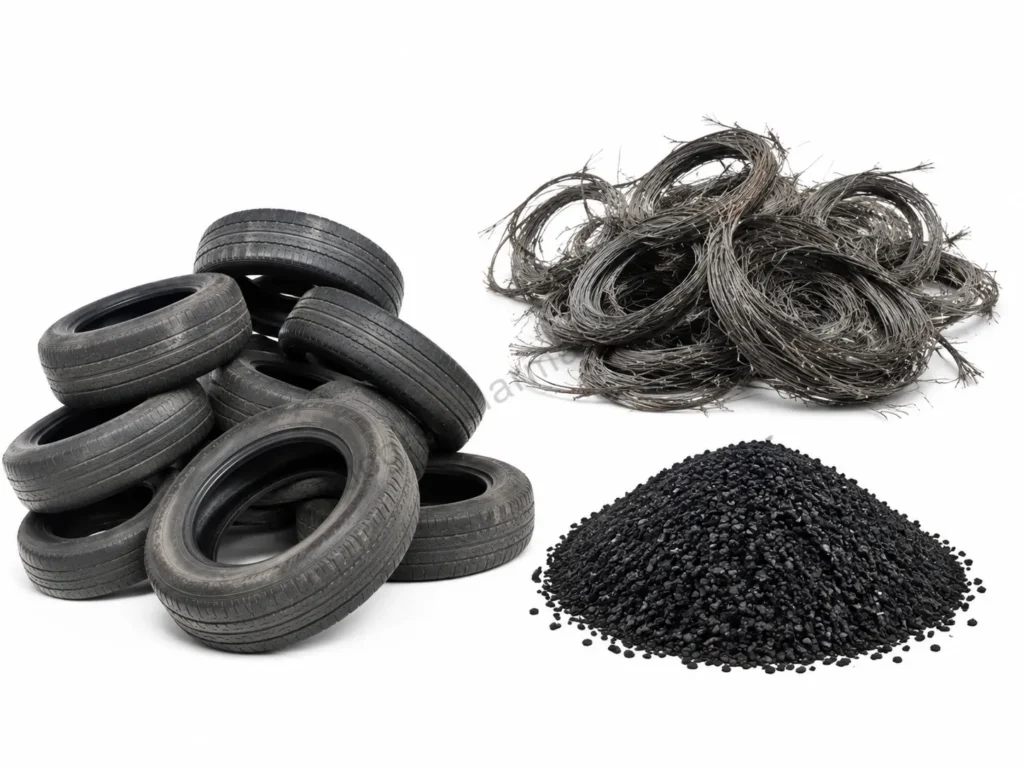
A typical waste tire contains two major recyclable resources: rubber and steel. While recycled rubber is widely used in sports surfaces, rubber mats, and molded products, steel tire wire scrap can also be sold as recyclable ferrous metal, creating an additional source of income.
The key to profitable tire recycling is not simply producing rubber powder or recovering steel separately. It is maximizing the value of both materials throughout the recycling process.
In this article, we’ll look at where steel tire wire scrap comes from, how both steel and rubber are recovered, and why utilizing every recyclable material can improve the profitability of a tire recycling business.
Every Waste Tire Contains Two Valuable Materials
A tire is made from several components, but the two most valuable recyclable materials are:
- Rubber
- Steel
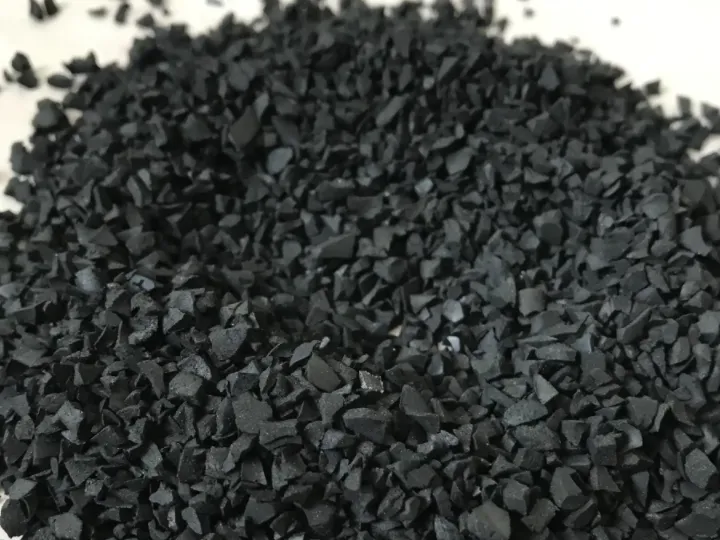
Rubber makes up the largest portion of the tire and can be processed into rubber granules or rubber powder for reuse in various industries.
The steel, mainly found in the tire bead and internal reinforcement layers, becomes steel tire wire scrap after separation. Rather than being discarded, this recovered steel can re-enter the metal recycling industry.
Recovering both materials instead of focusing on only one helps recyclers maximize the value of every waste tire.
What Can Steel Tire Wire Scrap Be Used For?
Many people are surprised to learn that steel tire wire scrap has its own recycling market.
After collection and sorting, recovered steel wire is commonly sold to:
- Scrap metal recycling companies
- Steel mills
- Metal processing plants
- Foundries
After melting and refining, the recycled steel can be used to manufacture:
- Reinforcing steel products
- Steel wire and mesh
- Industrial metal components
- Construction materials
Because steel is a recyclable material, recovering it not only creates additional revenue but also reduces the demand for virgin raw materials.
Rubber Is Another Valuable Recyclable Product
Steel is only part of the value hidden inside waste tires.
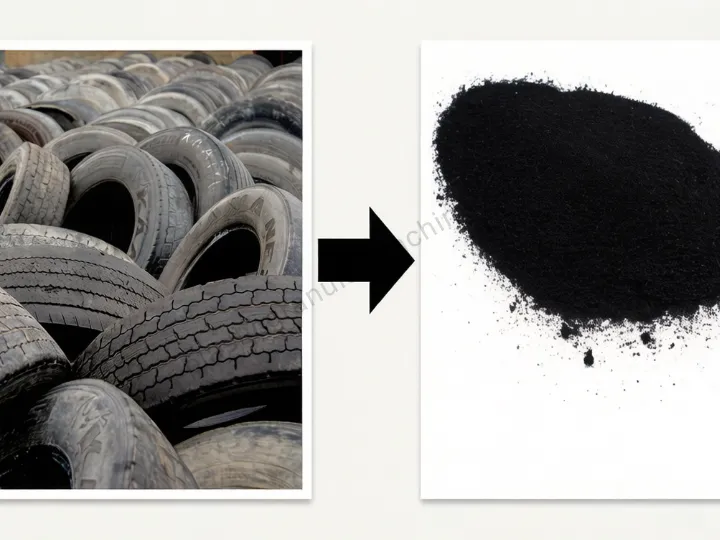
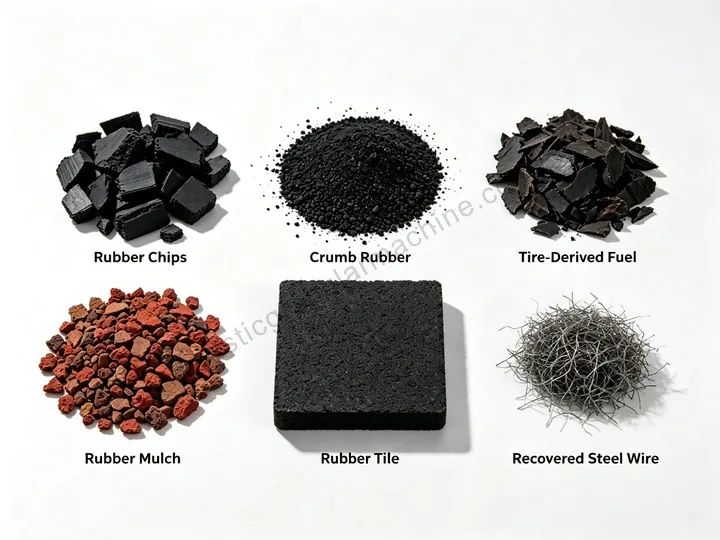
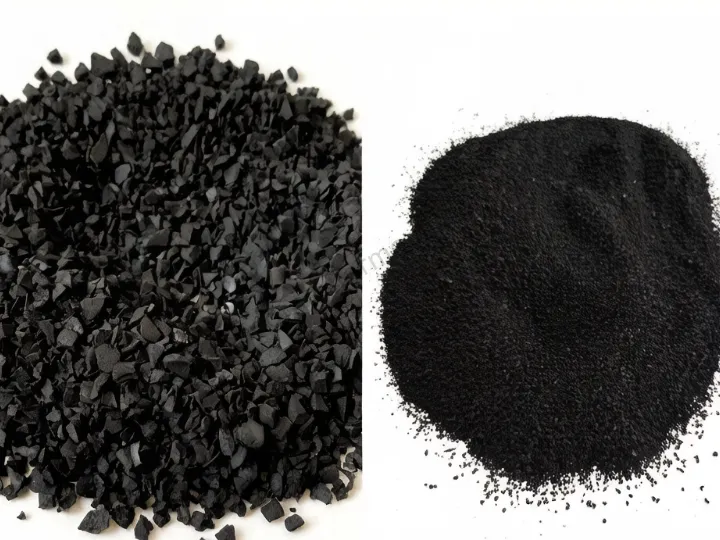
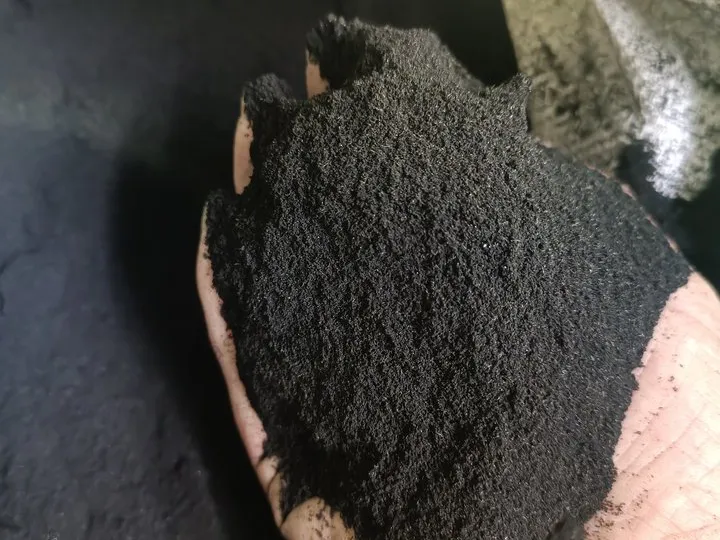
After removing the steel and fiber, the remaining rubber can be processed into rubber granules or fine rubber powder, which are widely used in:
- Playground and sports surfaces
- Rubber floor mats
- Artificial turf infill
- أسفلت معدل
- Recycled rubber products
- Industrial rubber components
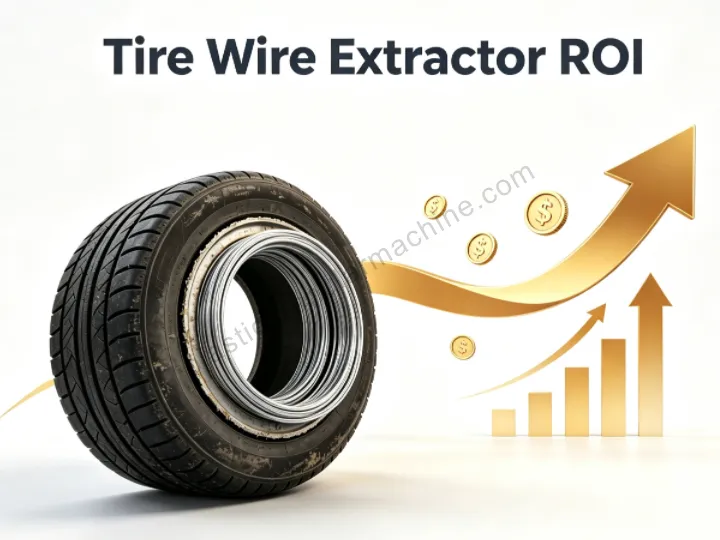
For many recycling businesses, rubber remains the primary product, while steel tire wire scrap provides additional income that improves the overall return from every processed tire.
How Are Steel and Rubber Recovered?
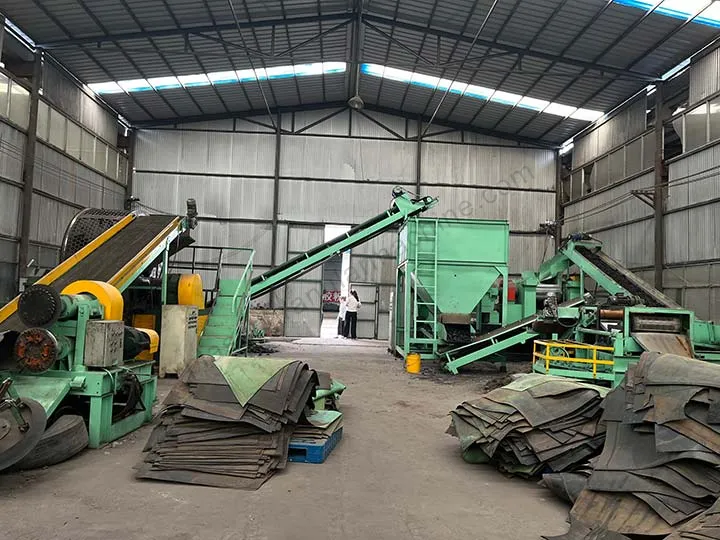
Different recycling plants recover steel tire wire scrap in different ways depending on their production capacity and equipment configuration.
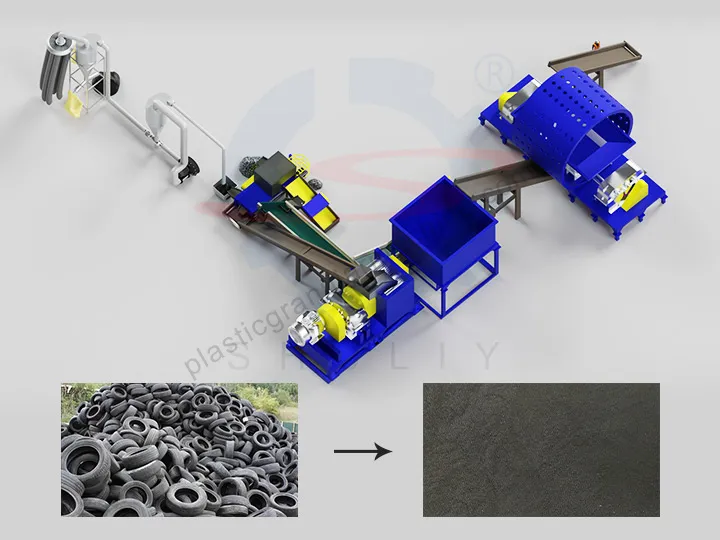
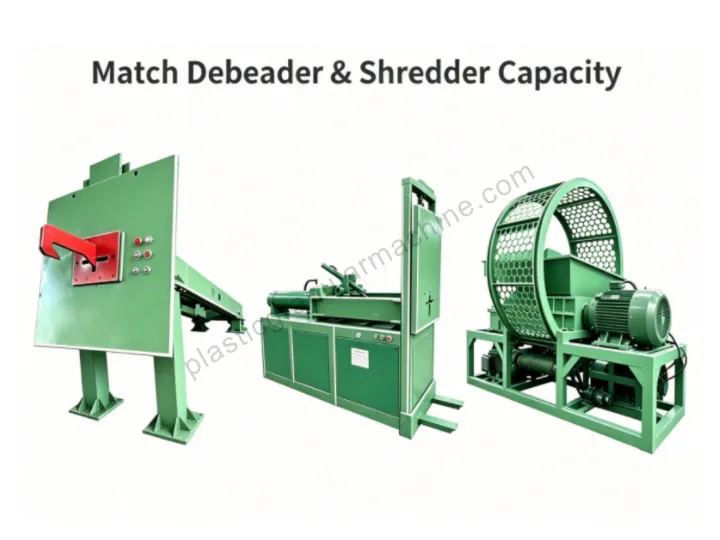
For smaller operations, a common solution is to use a tire ring cutter to remove the tire sidewalls containing the bead wire, followed by a bead wire separator to separate the steel ring from the rubber.
Larger recycling plants often use a hydraulic tire wire drawing machine, which extracts the bead wire directly from the whole tire before shredding. This approach helps recover cleaner steel and reduces wear on downstream shredding equipment.
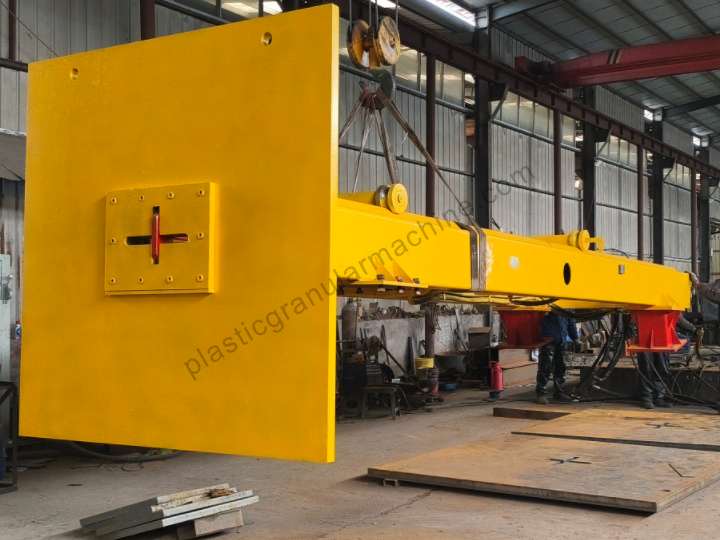
After shredding and grinding, small steel fragments still remain mixed with the rubber. At this stage, magnetic separators installed in the rubber grinding line remove the remaining fine steel wire while the rubber continues to the next process. This means the system not only recovers additional steel tire wire scrap, but also produces cleaner rubber granules or rubber powder in the same workflow.
Rather than treating steel and rubber as separate materials, modern recycling lines recover both simultaneously to improve overall resource utilization.
Why Recovering Both Materials Is More Profitable
Many new recyclers focus only on rubber production. However, experienced recycling plants know that profitability comes from recovering every recyclable material.
Recovering both steel tire wire scrap and rubber offers several advantages:
- Generates revenue from two recyclable products instead of one.
- Improves resource utilization.
- Reduces waste sent to landfill.
- Produces cleaner recycled materials.
- Increases the overall efficiency of the recycling line.
Although the value of recycled materials varies by region and market conditions, maximizing material recovery helps improve the long-term economics of tire recycling.
الأسئلة المتكررة
Is steel tire wire scrap recyclable?
Yes. High-strength tire wire is widely accepted by scrap metal recyclers and steel processing facilities after proper separation.
Why is steel removed before rubber processing?
Recovering large bead wire before shredding helps protect downstream equipment, while removing fine steel during grinding improves both steel recovery and the quality of the finished rubber material.
Can small steel wires also be recycled?
Yes. Fine steel wire recovered by magnetic separators is recyclable and is usually collected together with other ferrous scrap for further processing.
أفكار ختامية
Every waste tire contains more value than many people realize. While recycled rubber is the main product for most tire recycling plants, steel tire wire scrap is another important recyclable material that should not be overlooked.
By recovering large bead wire early in the process, separating fine steel during rubber grinding, and making full use of both recovered steel and rubber, recyclers can create multiple revenue streams from the same waste tire.
As tire recycling technology continues to improve, modern recycling lines are no longer designed to recover a single material—they are built to maximize the value of every component inside the tire.