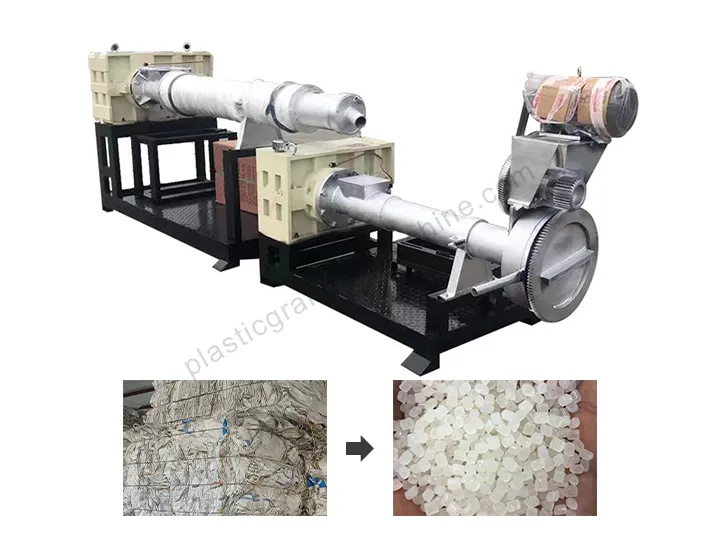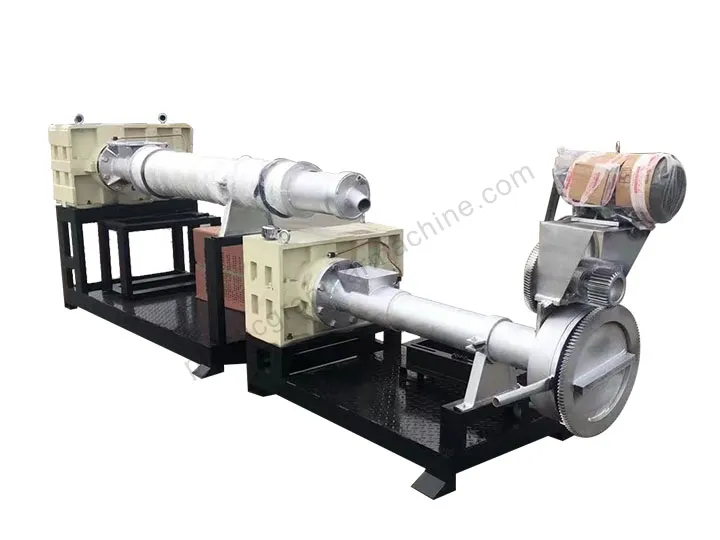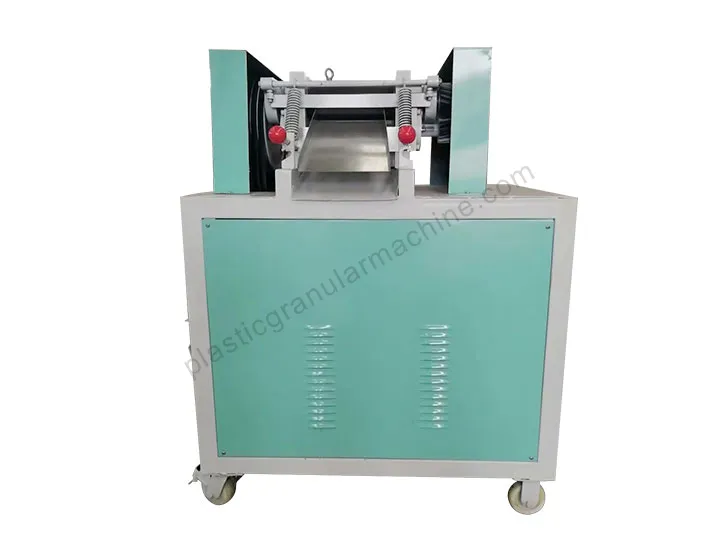
كيف يؤثر الرطوبة على جودة حبيبات البلاستيك أثناء إعادة التدوير
في إعادة تدوير البلاستيك، يركز العديد من الشركات المصنعة بشكل كبير على سعة الإنتاج، وقوة الآلات، وتكاليف المواد الخام. ومع ذلك، يتم غالبًا التقليل من أهمية عامل واحد أثناء الإنتاج اليومي: التحكم في الرطوبة.
يمكن أن تؤدي الرطوبة الزائدة في المواد البلاستيكية المغسولة إلى تقليل جودة كريات البلاستيك بشكل خطير، خاصة عند معالجة فيلم PE، وأكياس PP المنسوجة، والفيلم الزراعي، والبلاستيك الصلب الملوث. لا تؤثر ظروف التجفيف السيئة فقط على مظهر الكريات، بل يمكن أن تسبب أيضًا ضغط بثق غير مستقر، وانسداد متكرر للشاشة، وتوقف غير ضروري في الإنتاج.
بالنسبة لمصانع إعادة التدوير التي تهدف إلى إنتاج كريات معاد تدويرها عالية القيمة، يعد التحكم في الرطوبة بنفس أهمية أداء البثق.
لماذا تعتبر الرطوبة مشكلة شائعة في مصانع إعادة تدوير البلاستيك
بعد التكسير والغسيل، تحتفظ المواد البلاستيكية عادةً ببعض المياه السطحية. تكون المواد الفيلم الرقيقة صعبة التجفيف بشكل خاص لأن الماء يصبح محاصرًا بين الطبقات المطوية أثناء الغسيل والنقل.
في العديد من مصانع إعادة التدوير، يعد الجفاف غير الكافي سببًا رئيسيًا في عدم استقرار إنتاج الكريات.
عندما يدخل المادة الرطبة إلى البثق مباشرة، يتشكل البخار بسرعة داخل برميل اللولب. يؤثر ذلك على استقرار الذوبان ويخفض في النهاية جودة كريات البلاستيك بشكل عام.
تشمل المشاكل النموذجية:
- كريات بها فقاعات داخلية
- حجم حبيبات غير متساوي
- ضغط بثق غير مستقر
- كسر الخيوط أثناء التكوير
- تلوث الشاشة بشكل أسرع
- كثافة كريات أقل
تكون هذه المشاكل ملحوظة بشكل خاص في تطبيقات إعادة تدوير الفيلم، حيث تميل المواد خفيفة الوزن إلى الاحتفاظ بمزيد من الرطوبة مقارنة بالبلاستيك الصلب.
لهذا السبب، تضع العديد من أنظمة إعادة التدوير الحديثة الآن تركيزًا أكبر على مراحل التجفيف والتغذية قبل التكوير.
كيف تؤثر الرطوبة على مظهر الكريات وكثافتها
واحدة من أوضح علامات التحكم السيئ في الرطوبة هي مظهر الكريات غير المتسق.
داخل نظام البثق، يخلق بخار الماء جيوب هوائية صغيرة في البلاستيك المنصهر. يمكن أن يؤدي ذلك إلى كريات معاد تدويرها بأسطح خشنة، وبنية داخلية فضفاضة، أو أداء قطع غير مستقر.
يجب أن تحتوي الكريات المعاد تدويرها عالية الجودة عمومًا على:
- أسطح ناعمة
- كثافة مستقرة
- شكل موحد
- أداء ذوبان متسق
ومع ذلك، غالبًا ما تنتج الرطوبة الزائدة:
- كريات مسامية
- حبيبات رغوية
- خيوط بلاستيكية ضعيفة
- حجم كريات غير منتظم
في بيئات الإنتاج العملية، غالبًا ما تكون أداء التجفيف المستقر أكثر أهمية من مجرد زيادة درجة حرارة البثق.
تستخدم بعض مصانع إعادة التدوير التي تعالج فيلم PE عالي الرطوبة الآن أنظمة إزالة الماء والضغط المدمجة قبل البثق. لا يحسن هذا النهج استقرار التغذية فحسب، بل يساعد أيضًا في الحفاظ على جودة كريات البلاستيك بشكل أفضل طوال فترة التشغيل المستمر.
يمكن أن تزيد الرطوبة من وقت تعطل مغير الشاشة
تؤثر الرطوبة أيضًا بشكل مباشر على كفاءة الترشيح داخل عملية البثق.
عندما يصبح الذوبان غير مستقر، من المرجح أن تتراكم الشوائب مثل بقايا الورق، والرمل، وجزيئات الألمنيوم، والبلاستيك المتدهور على شاشة الفلتر. نتيجة لذلك، تتطلب مغيرات الشاشة الاستبدال بشكل متكرر.
عادةً ما يؤدي ذلك إلى:
- ضغط الماكينة غير المستقر
- المزيد من انقطاعات الإنتاج
- متطلبات عمالة أعلى
- زيادة تكاليف الصيانة
في بعض ورش إعادة التدوير، يتسبب التجفيف السيئ في زيادة تكرار استبدال الشاشة بشكل كبير، خاصة عند معالجة الفيلم الزراعي أو نفايات التعبئة والتغليف من المستهلك.
لتقليل التوقف، تستخدم العديد من خطوط إعادة التدوير الآن مغيرات شاشة هيدروليكية تسمح بالتشغيل المستمر أثناء استبدال الشاشة. يمكن أن يحسن تدفق الذوبان المستقر مع التجفيف الفعال بشكل كبير من كفاءة الإنتاج العامة.
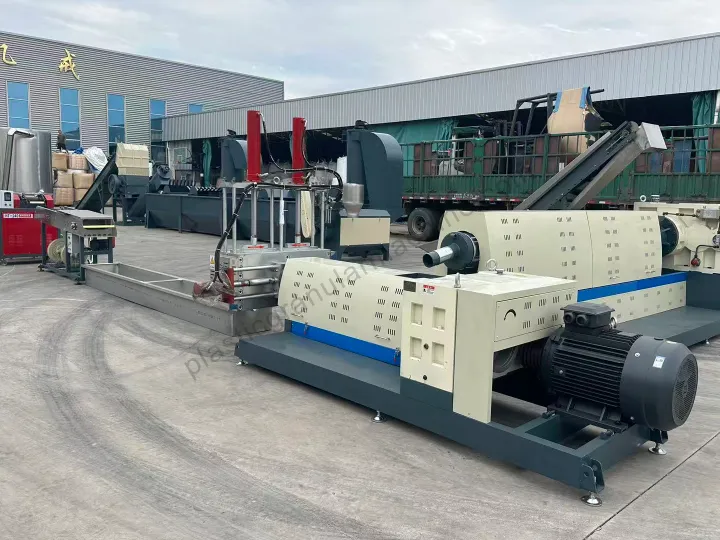
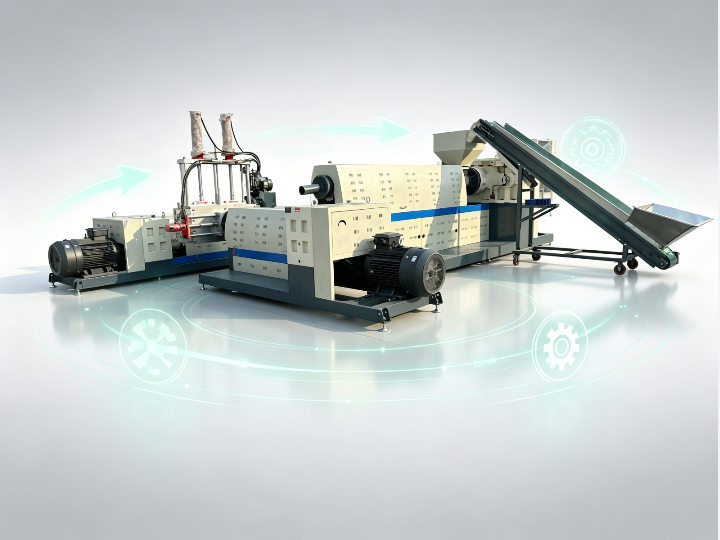
يمكنك أيضًا معرفة المزيد عن أنظمة الغسيل والتكوير المتكاملة في هذا الدليل لعملية مصنع إعادة تدوير البلاستيك.
لماذا تتطلب إعادة تدوير الفيلم معدات تجفيف أفضل
تتصرف أنواع البلاستيك المختلفة بشكل مختلف تمامًا أثناء إعادة التدوير.
تكون رقائق HDPE وPP الصلبة سهلة التجفيف نسبيًا بعد الغسيل. ومع ذلك، فإن المواد الفيلم تمثل تحديات أكبر بكثير لأنها خفيفة الوزن ومرنة وأكثر عرضة لاحتجاز الماء.
يمكن أن تؤدي المواد الفيلم الرطبة بسهولة إلى:
- التفاف حول المحاور
- الجسر داخل المغذيات
- أنظمة نقل محجوبة
- تعطيل استقرار البثق
بسبب هذه الخصائص، تم تجهيز العديد من خطوط إعادة تدوير الفيلم بـ:
- آلات نزح المياه العمودية
- مجففات الضغط
- تجفيف بالهواء الساخن
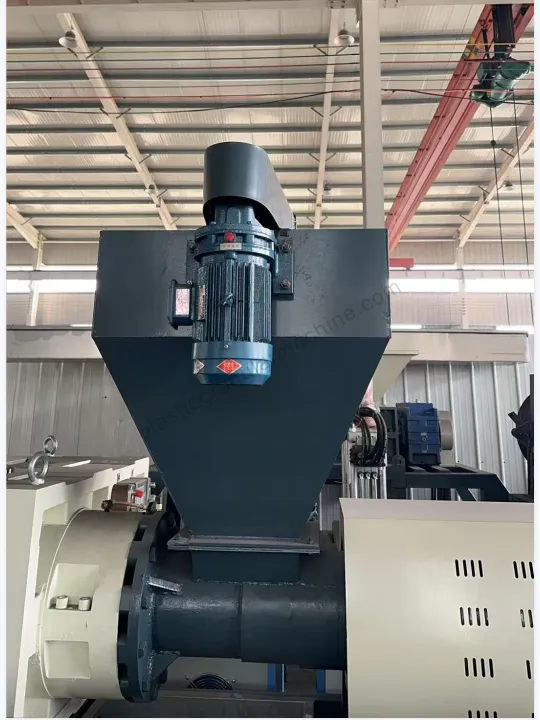
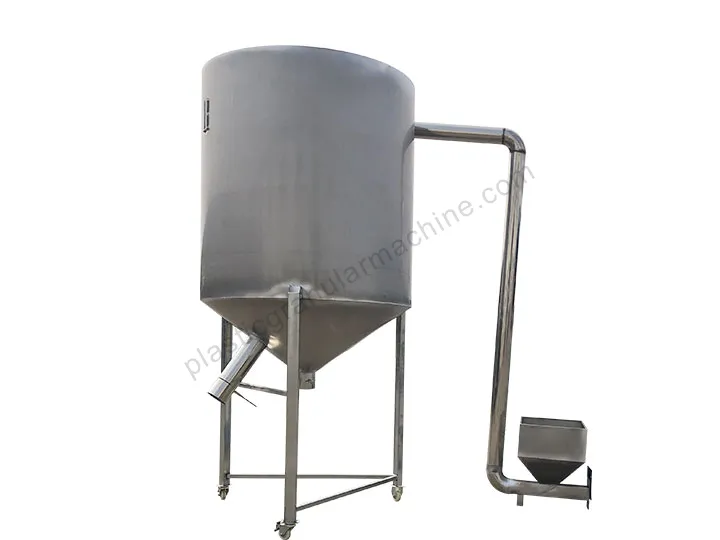
- أنظمة التغذية القسرية عبر الأنابيب
من بين هذه المكونات، غالبًا ما يتم تجاهل استقرار التغذية. في الواقع، يعد التغذية غير المستقرة أحد الأسباب الخفية لجودة كريات البلاستيك السيئة في مصانع إعادة تدوير الفيلم.
تم تصميم بعض المغذيات القسرية الحديثة مع هياكل تحريك تلقائية أو مضادة للجسر للمساعدة في دخول الفيلم الرطب إلى البثق بشكل أكثر توازنًا. هذا النوع من أنظمة التغذية مفيد بشكل خاص عند معالجة فيلم PE الناعم بمحتوى رطوبة مرتفع.
كيف يحسن التجفيف المناسب كفاءة إعادة التدوير
لا يتطلب تحسين التحكم في الرطوبة دائمًا آلات أكبر أو استهلاك طاقة أعلى. في العديد من الحالات، ينتج عن تحسين تدفق العملية نتائج أفضل من مجرد زيادة سعة البثق.
عادةً ما يتضمن نظام إعادة التدوير المستقر:
- غسيل فعال
- إزالة الماء الموثوقة
- نقل المواد المستقر
- البثق المستمر
- تبريد الكريات بشكل موحد
يمكن أن تحسن عدة طرق عملية التجفيف:
استخدم آلات إزالة الماء العمودية عالية السرعة
تزيل أنظمة إزالة الماء الطرد المركزي معظم المياه السطحية قبل دخول المادة مرحلة تكويرها.
أضف مجففات ضغط للفيلم الناعم
بالنسبة لمواد فيلم PE وPP، يمكن لمجففات الضغط إزالة الرطوبة وضغط المواد السائبة في رقائق أكثر كثافة في نفس الوقت.
معالجة الفيلم والبلاستيك الصلب بشكل منفصل
تتصرف الأفلام والبلاستيك الصلب بشكل مختلف تمامًا أثناء التجفيف والبثق. عادةً ما يؤدي استخدام تكوينات إعادة تدوير منفصلة إلى تحسين الاستقرار التشغيلي.
تحسين استقرار التغذية
تساعد أنظمة التغذية القسرية في منع تراكم المواد الرطبة والحفاظ على ضغط البثق المستقر.
في العديد من مصانع إعادة التدوير، تحسن هذه التعديلات بشكل كبير من جودة كريات البلاستيك على المدى الطويل مع تقليل التوقف غير الضروري.
جودة كريات أفضل تعني قيمة سوقية أعلى
في سوق البلاستيك المعاد تدويره، تؤثر جودة الكريات بشكل مباشر على قيمة إعادة البيع وقبول العملاء.
تكون الكريات المعاد تدويرها المتسقة أسهل في الاستخدام في:
- قولبة الحقن
- بثق الأنابيب
- إنتاج الفيلم المنفوخ
- تصنيع الألواح
ومع ذلك، قد تؤدي الكريات منخفضة الجودة إلى:
- معالجة غير مستقرة في الأسفل
- مظهر المنتج السيئ
- معدلات الرفض الأعلى
- شكاوى العملاء
بالنسبة لشركات إعادة التدوير التي تتعامل مع أحجام إنتاج كبيرة، يمكن أن تخلق حتى التحسينات الصغيرة في جودة كريات البلاستيك فوائد اقتصادية طويلة الأجل كبيرة.
لهذا السبب، تولي العديد من مصانع إعادة التدوير اهتمامًا متزايدًا لكفاءة الغسيل، وأداء التجفيف، واستقرار التغذية - وليس فقط حجم البثق بمفرده.
اختيار نظام إعادة التدوير المناسب للمواد الرطبة
ليست جميع أنظمة إعادة التدوير مناسبة للمواد ذات الرطوبة العالية. عند معالجة فيلم PE المغسول، أو البلاستيك الزراعي، أو النفايات الملوثة من المستهلكين، تصبح قسم التجفيف مهمًا بشكل خاص.
تشمل العوامل الرئيسية التي يجب مراعاتها ما يلي:
- كفاءة إزالة الماء
- استقرار التغذية
- استقرار ضغط البثق
- طريقة تغيير الشاشة
- تكوين التجفيف
يجب أن يحافظ نظام إعادة التدوير المصمم جيدًا على تدفق المواد المستقر من الغسيل إلى التكوير، خاصة عند التعامل مع مواد الفيلم خفيفة الوزن.
بالنسبة للعديد من مصانع إعادة التدوير، يعد تحسين التحكم في الرطوبة واحدة من أكثر الطرق فعالية لتحقيق إنتاج أكثر استقرارًا وتحسين تناسق الكريات.
خاتمة
تعتبر الرطوبة واحدة من أهم العوامل التي تؤثر على جودة كريات البلاستيك أثناء إعادة التدوير.
يمكن أن يقلل الماء الزائد من كثافة الكريات، ويزعزع ضغط البثق، ويزيد من تكرار انسداد الشاشة، ويخفض من قيمة الكريات المعاد تدويرها.
سواء كانت تعالج الفيلم المرن أو البلاستيك الصلب، فإن أنظمة التجفيف وإزالة الماء والتغذية المناسبة ضرورية للحفاظ على إنتاج كريات مستقر.
مع استمرار ارتفاع معايير إعادة التدوير، يدرك المزيد من الشركات المصنعة أن التحكم الفعال في الرطوبة ليس مجرد عملية داعمة - بل هو جزء أساسي من إنتاج كريات بلاستيكية معاد تدويرها عالية الجودة بشكل مستمر.