Can a Tire Wire Extractor Pay for Itself? Understanding ROI in Tire Recycling Operations
When planning a tire recycling business, investors often focus on major equipment such as tire shredders, tire granulators, and steel separation systems. However, one machine that is frequently underestimated is the tire wire extractor.
At first glance, a tire wire extractor appears to be a simple pre-processing machine used to remove steel bead wires from waste tires. In reality, it plays a significant role in reducing operating costs, improving downstream efficiency, and increasing the overall profitability of a tire recycling plant.
A common question from investors is:
Can a tire wire extractor actually pay for itself?
In many commercial tire recycling operations, the answer is yes. The return on investment often comes not from a single benefit, but from a combination of steel recovery revenue, lower maintenance costs, reduced downtime, and improved production efficiency.
This article explains how a tire wire extractor contributes to profitability and what factors influence its payback period.
What Is a Tire Wire Extractor?
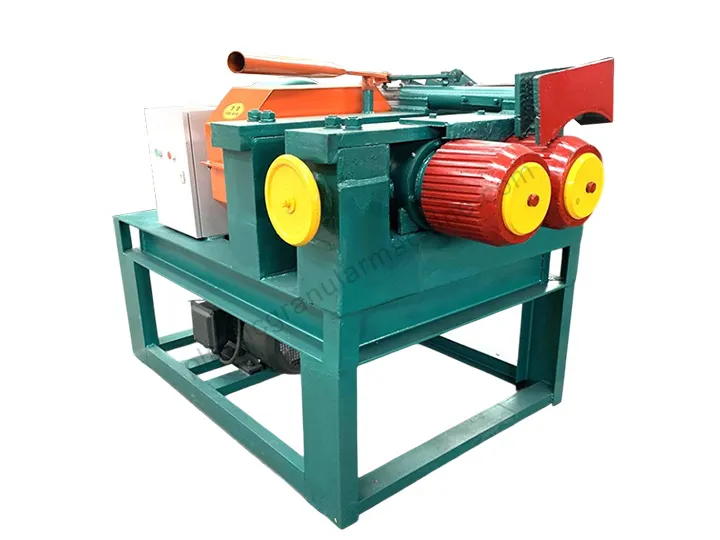
А tire wire extractor is a hydraulic machine designed to remove steel bead wires from the sidewalls of waste tires before shredding or further processing. It is also known as: tire debeader machine, tire wire drawing machine, etc.
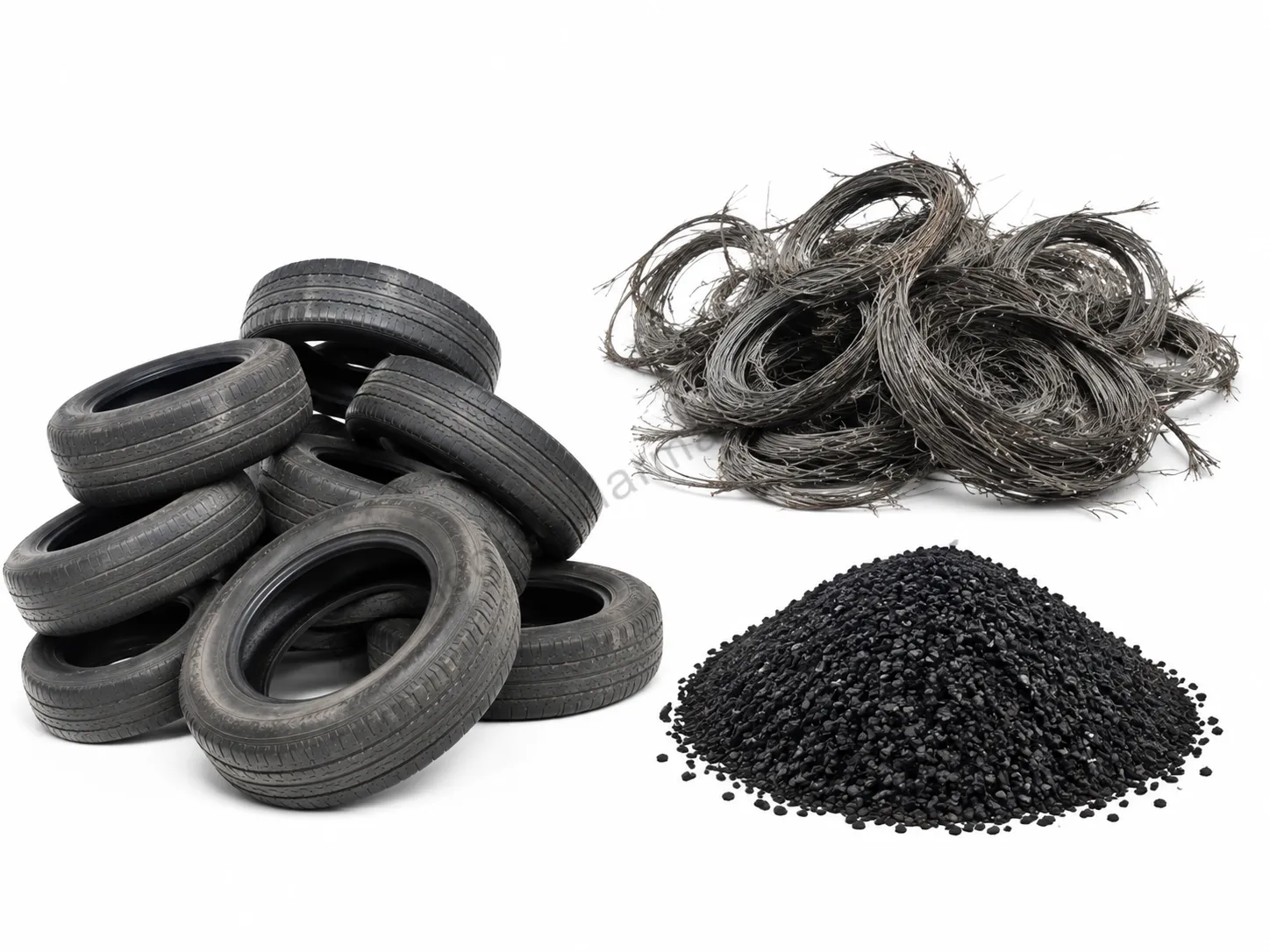
The machine grips the steel bead wire embedded inside the tire and pulls it out under hydraulic force. After processing, the operator obtains:
- Recovered steel bead wire
- Tires without steel beads
These processed tires can then move more efficiently through tire shredders, tire cutters, and rubber recycling equipment.
Why Tire Bead Wire Removal Matters
Many first-time investors assume that whole tires can be fed directly into a shredder.
While this is technically possible in some applications, removing steel bead wires beforehand often delivers significant operational advantages.
Reduced Shredder Blade Wear
The bead wire is one of the toughest steel-reinforced sections of a tire.
When a измельчитель шин repeatedly cuts through bead wire, blade wear accelerates.
A tire wire extractor removes this material before shredding, helping to:
- Extend blade service life
- Reduce maintenance frequency
- Lower spare parts costs
- Improve equipment reliability
For recycling plants processing truck tires or bus tires, this benefit can be substantial over time.
Improved Shredding Efficiency
Tires without bead wires are easier to tear apart.
As a result, shredders can often operate with:
- More stable feeding
- Lower resistance
- Reduced energy consumption
- More consistent output
This contributes to higher overall line efficiency.
Less Unplanned Downtime
Steel wires can occasionally wrap around rotating shafts or interfere with shredding components.
By removing bead wires before shredding, a tire wire extractor helps minimize unexpected production interruptions and maintenance stops.
ROI Source 1: Recovering Valuable Steel Wire
One of the most direct economic benefits of a tire wire extractor is steel recovery.
Rather than allowing bead wires to become mixed with shredded rubber, the machine extracts them separately.
This often results in cleaner scrap steel that is easier to collect, transport, and sell.
How Much Steel Can Be Recovered?
The amount of recoverable bead wire depends on factors such as:
- Tire size
- Tire type
- Tire manufacturer
- Tire construction
As a general industry reference:
| Tire Type | Typical Recoverable Bead Wire |
|---|---|
| Passenger Tires | Approximately 0.5–1 kg |
| Truck Tires | Approximately 1.5–3 kg |
| Bus Tires | Approximately 2–4 kg |
Actual recovery rates may vary.
For facilities processing large volumes of truck or commercial vehicle tires, steel recovery can become a meaningful source of supplemental revenue.
ROI Source 2: Lower Maintenance Costs
A tire wire extractor can also generate indirect savings by reducing wear on downstream equipment.
Maintenance costs in tire recycling operations typically include:
- Shredder blade replacement
- Welding repairs
- Bearing maintenance
- Downtime labor
- Spare parts inventory
Because a tire wire extractor removes one of the most abrasive components of a tire before shredding, many operators report longer service intervals for shredding equipment.
The exact savings depend on:
- Tire type
- Shredder design
- Production volume
- Maintenance practices
However, reduced maintenance expenses are often an important part of the overall ROI equation.
ROI Source 3: Increased Production Efficiency
Equipment utilization has a major impact on profitability.
When shredders spend less time dealing with steel bead wire, production tends to become more predictable and efficient.
Benefits may include:
- Higher throughput
- Fewer stoppages
- Better labor productivity
- More stable production schedules
Even modest improvements in operational efficiency can create significant long-term value for a tire recycling plant.
What Determines the Payback Period?
The payback period of a tire wire extractor varies from project to project.
Several key factors influence ROI.
Tire Processing Volume
Generally speaking, the more tires processed per day, the faster the investment is recovered.
High-volume facilities often experience the greatest financial benefits from tire bead wire removal.
Tire Type
Truck tires, bus tires, and heavy-duty commercial tires typically contain more recoverable steel than passenger tires.
As a result, tire wire extractors often provide stronger returns in facilities specializing in commercial tire recycling.
Local Scrap Steel Prices
Recovered bead wire can usually be sold as scrap steel.
Market prices fluctuate by region and over time, affecting the value of recovered material.
Shredder Maintenance Costs
Facilities operating large industrial shredders may see significant savings through reduced blade wear and maintenance requirements.
Labor Costs
In regions with higher labor expenses, reducing maintenance frequency and improving operational efficiency can further enhance ROI.
How Long Does It Typically Take to Recover the Investment?
There is no universal answer because every recycling operation is different.
However, industry experience suggests that many medium- and large-scale tire recycling facilities recover the cost of a tire wire extractor within a relatively short period compared to other processing equipment.
The actual payback period depends on:
- Daily tire volume
- Tire composition
- Steel recovery value
- Equipment utilization
- Maintenance savings
For this reason, evaluating ROI should involve a complete analysis of the entire recycling operation rather than focusing solely on steel sales.
Which Tire Recycling Plants Benefit Most?
A tire wire extractor is particularly valuable for:
Truck Tire Recycling Facilities
Truck tires contain larger bead wires and generally offer higher steel recovery potential.
Bus Tire Recycling Plants
Commercial vehicle tires often generate substantial quantities of recoverable steel.
High-Volume Recycling Operations
The greater the throughput, the more opportunities there are to benefit from steel recovery and maintenance savings.
Plants Using Tire Shredders
Any operation that relies heavily on shredding equipment can benefit from reduced blade wear and improved equipment protection.
How to Maximize Tire Wire Extractor ROI
To achieve the best return on investment, consider the following recommendations:
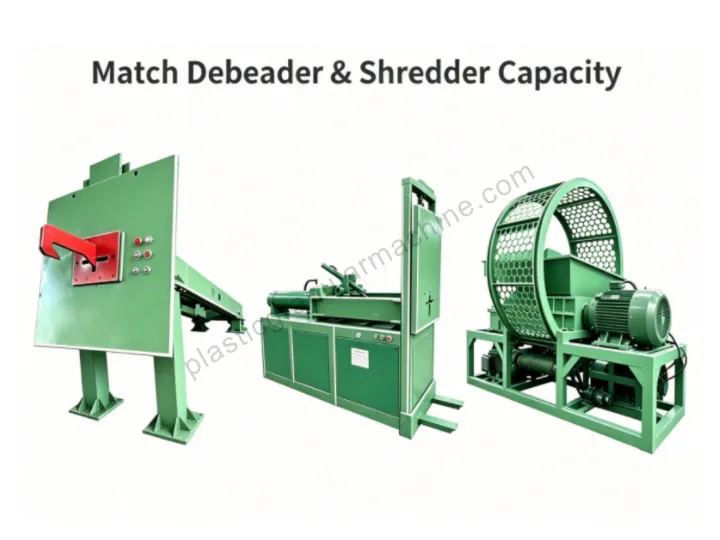
Match Capacity with Your Recycling Line
Choose a tire wire extractor that matches the throughput of your tire shredder and other downstream equipment.
Maintain the Hydraulic System
Regular maintenance helps ensure reliable operation and consistent wire extraction performance.
Separate Recovered Steel Properly
Keeping recovered bead wire separate from mixed scrap can improve resale value.
Select the Right Machine Configuration
Single-hook and double-hook tire wire extractors are available for different production requirements.
Facilities with higher throughput requirements often benefit from double-hook models.
Часто задаваемые вопросы
Is a tire wire extractor necessary for every tire recycling plant?
Not necessarily. Small operations processing limited quantities of passenger tires may choose alternative workflows. However, most commercial tire recycling facilities can benefit from tire bead wire removal.
Can a tire wire extractor improve shredder performance?
Yes. By removing steel bead wires before shredding, the machine can help reduce blade wear and improve operational efficiency.
What types of tires can a tire wire extractor process?
Most models are suitable for passenger tires, truck tires, and bus tires. Specialized machines are available for OTR and mining tires.
Is steel recovery the only source of ROI?
No. Maintenance savings, reduced downtime, and higher productivity are often equally important contributors to ROI.
Заключительные мысли
A tire wire extractor should not be viewed solely as a pre-processing machine. It is an investment that can improve the economics of an entire tire recycling operation.
By removing steel bead wires before shredding, a tire wire extractor helps increase steel recovery, reduce maintenance costs, improve equipment reliability, and support more efficient production.
For many commercial tire recycling plants, these combined benefits make the tire wire extractor one of the most valuable pieces of equipment in the recycling process.
Before purchasing equipment, evaluate your tire types, processing volume, and long-term production goals. A properly selected tire wire extractor can contribute significantly to the profitability and sustainability of your tire recycling business.