Plastic Dana Cutter: How to Cut Plastic Pellets for Better Production
A reliable plastic dana cutter helps plastic recycling businesses produce uniform plastic granules from molten plastic strands. For manufacturers in Africa and Southeast Asia, choosing the right cutting machine can improve production efficiency, reduce material waste, and support consistent pellet quality.
If you are planning to install a plastic granulation line or upgrade an existing setup, this guide explains how a plastic dana cutter works, which factors to consider before purchasing, and how it works with a plastic pelletizing machine.
What Is a Plastic Dana Cutter?
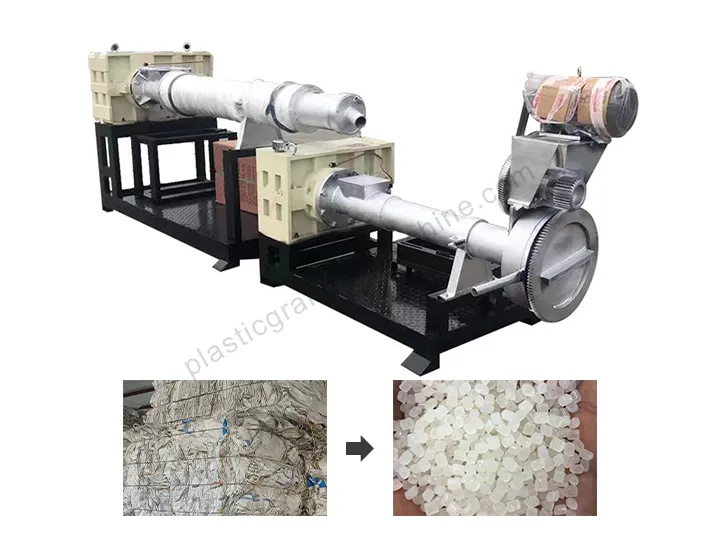
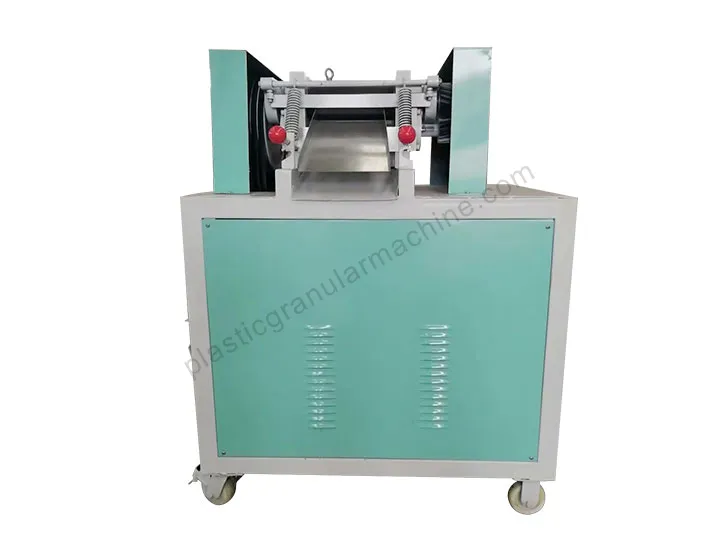
A plastic dana cutter is a cutting device used to turn cooled or processed plastic strands into small, uniform granules, commonly called plastic dana or plastic pellets.
In a typical plastic recycling process, waste plastic is first sorted, cleaned, crushed, and melted. The molten plastic then passes through an extruder and comes out as continuous strands. After cooling, these strands enter the plastic dana cutter, where rotating blades cut them into small pellets.
The finished plastic granules can be used as raw materials for manufacturing plastic products such as pipes, containers, household items, and other plastic components, depending on the material quality and application.
A plastic dana cutter is particularly useful for plastic recycling plants, plastic pellet manufacturers, and businesses that want to process waste plastic into reusable raw materials.
How Does a Plastic Dana Cutter Work?
The cutting process is straightforward and usually involves the following steps:
- Plastic melting and extrusion: Clean plastic flakes or other suitable plastic materials are heated and melted in an extruder.
- Strand formation: The molten plastic passes through a die head and forms continuous plastic strands.
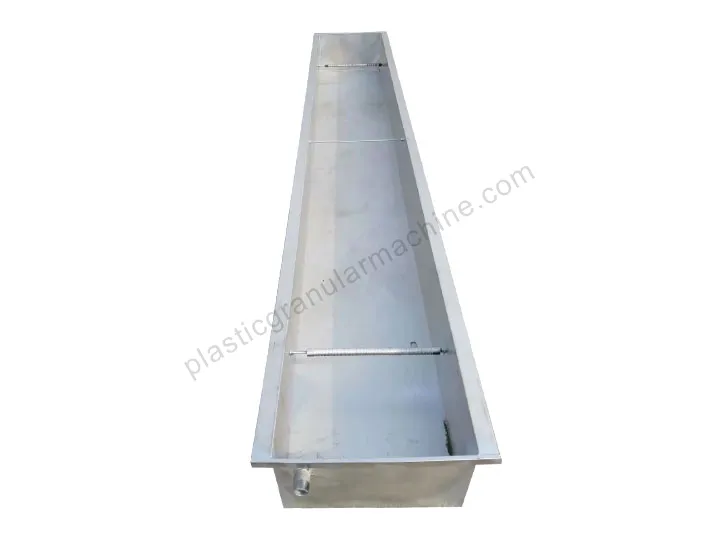
- Cooling: The strands are cooled to make them firm enough for cutting.
- Pellet cutting: The plastic dana cutter feeds the strands toward rotating blades, which cut them into small granules.
- コレクション: The finished plastic pellets are collected for storage, packaging, or further production.
The final pellet size depends on factors such as strand diameter, cutting speed, and the machine configuration. Proper adjustment helps produce more consistent granules.
What Materials Can a Plastic Dana Cutter Process?
A plastic dana cutter can be used with various thermoplastics when they are processed through a compatible extrusion system.
Common materials include:
- PP (polypropylene): Used in packaging, household products, and industrial components.
- PE (polyethylene): Including HDPE and LDPE, commonly found in plastic containers, bags, and films.
- ABS: Used in selected recycled plastic applications, including housings and components.
- PS (polystyrene): Used in various packaging and molded products.
Material compatibility depends on the extruder, die head, cooling method, and cutting system. Different plastics have different melting and cooling characteristics, so the production line should be configured for the material being processed.
For waste plastic recycling businesses, it is also important to sort materials properly before extrusion. Mixing incompatible plastics can affect pellet quality and limit their reuse.
How to Choose the Right Plastic Dana Cutter
Before purchasing a plastic dana cutter, consider the following factors to find a suitable machine for your production requirements.
1. Production Capacity
Estimate how many kilograms of plastic pellets you need to produce per hour. The cutter must match the output of the plastic extruder. If the cutting capacity is too low, it may restrict the entire production line.
When comparing machines, ask the supplier for the expected output based on your plastic material and planned operating conditions.
2. Pellet Size and Uniformity
Different customers require different pellet sizes. The cutting system should produce granules suitable for your downstream manufacturing process.
Blade condition, strand feeding, and cutting speed all affect pellet uniformity. Regular inspection and proper adjustment help maintain stable production.
3. Plastic Material
Confirm whether the machine is suitable for your main raw material, such as PP, PE, or ABS. If you plan to process several types of plastic, discuss the material differences with your supplier before selecting the equipment.
4. Blade Maintenance and Spare Parts
Cutting blades gradually wear during operation. A practical plastic dana cutter should allow convenient blade inspection, adjustment, and replacement.
For businesses in Africa and Southeast Asia, the availability of spare parts and technical support is also important. Ask about blade replacement, maintenance instructions, and after-sales service before placing an order.
5. Compatibility with the Plastic Granulation Line
A plastic dana cutter is only one part of the production system. Its speed and capacity should match the extruder and cooling section.
A properly matched line helps reduce interruptions caused by inconsistent strand feeding or insufficient cutting capacity.
Plastic Dana Cutter vs. Complete Plastic Pelletizing Machine
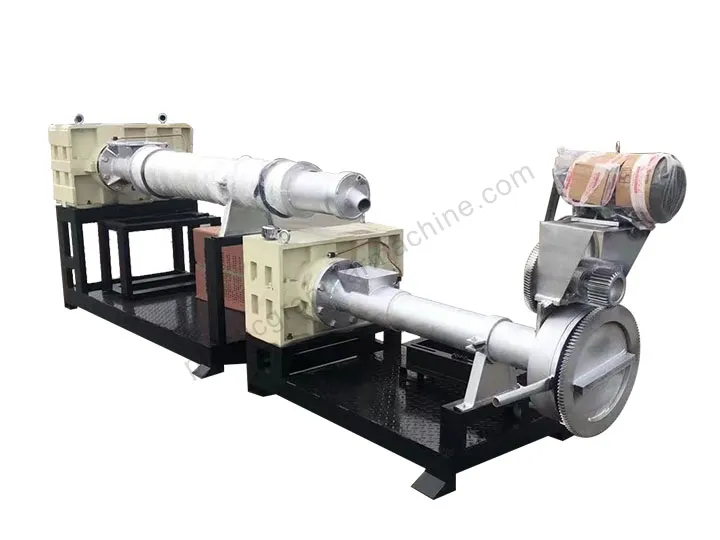
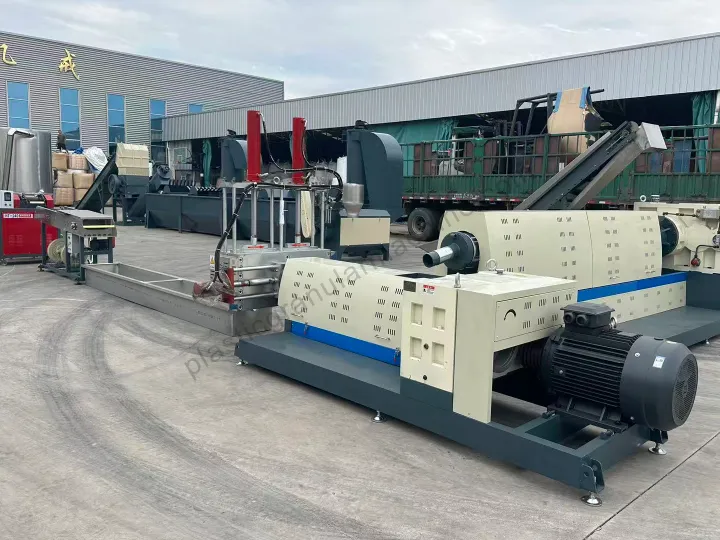
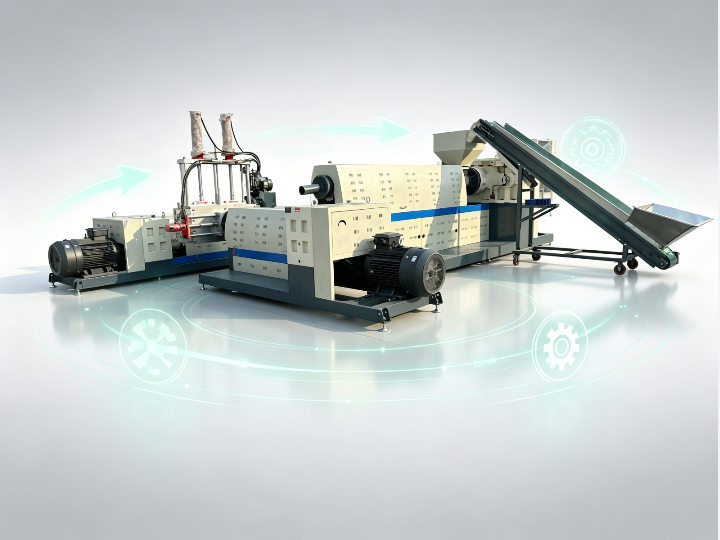
A plastic dana cutter performs the final cutting operation, while a plastic pelletizing machine or plastic granulation line handles the broader process of converting plastic materials into pellets.
| 設備 | Main Function |
|---|---|
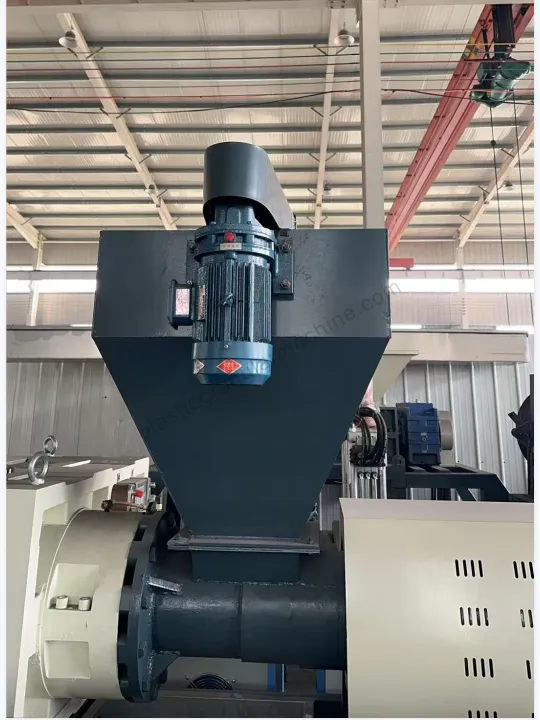
| プラスチック押出機 | Melts and pushes plastic through the die |
| Cooling system | Cools the extruded plastic strands |
| プラスチックダナカッター | Cuts plastic strands into granules |
| Complete plastic pelletizing line | Integrates the required processing stages into one production system |
If you already own a compatible extruder, you may only need a suitable cutting unit. If you are starting a new plastic recycling business, a complete plastic granulation line can help coordinate the different stages of production.
The best choice depends on your existing equipment, raw materials, production target, and budget.
How Much Does a Plastic Dana Cutter Cost?
The price of a plastic dana cutter depends on its capacity, cutting mechanism, motor configuration, material compatibility, and overall machine specifications.
A standalone cutter generally has different costs from a complete plastic pelletizing line. Additional equipment, such as an extruder, cooling tank, conveyor, and electrical control system, may increase the total investment.
To obtain an accurate quotation, provide your supplier with the following information:
- The type of plastic you want to process.
- Your required production capacity in kg/h.
- Whether you need a standalone cutter or a complete granulation line.
- Your preferred pellet size and available installation space.
These details help the supplier recommend suitable equipment instead of providing a price that may not match your actual requirements.
Get a Suitable Plastic Dana Cutter for Your Business
Choosing the right plastic dana cutter is an important step toward stable plastic pellet production. A suitable cutting system should match your raw material, extrusion output, desired pellet size, and maintenance requirements.
EFFICIENT provides plastic processing and granulation equipment for different production needs. Whether you are upgrading an existing setup or planning a new plastic recycling project, selecting compatible equipment is essential for efficient operation.
Contact our team with your plastic material, target capacity, and project requirements. We can help you evaluate a suitable plastic pelletizing solution for your business.