How to Start a Tire Recycling Plant: Step-by-Step Guide
Starting a tire recycling plant represents one of the most viable waste management business opportunities in today’s environmentally conscious market. With over 1.5 billion tires reaching end-of-life annually worldwide, the demand for efficient tire recycling solutions continues to grow. This comprehensive guide walks you through the essential steps to establish your own tire recycling facility, from initial planning to full-scale operations.
Understanding the Tire Recycling Business Opportunity
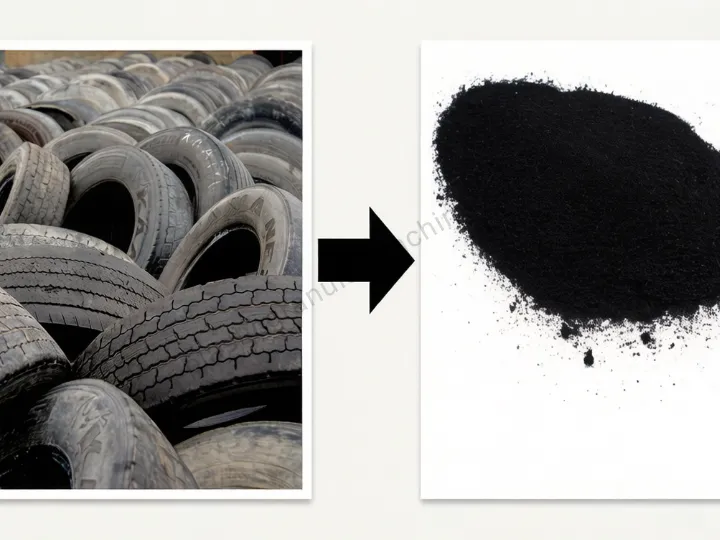
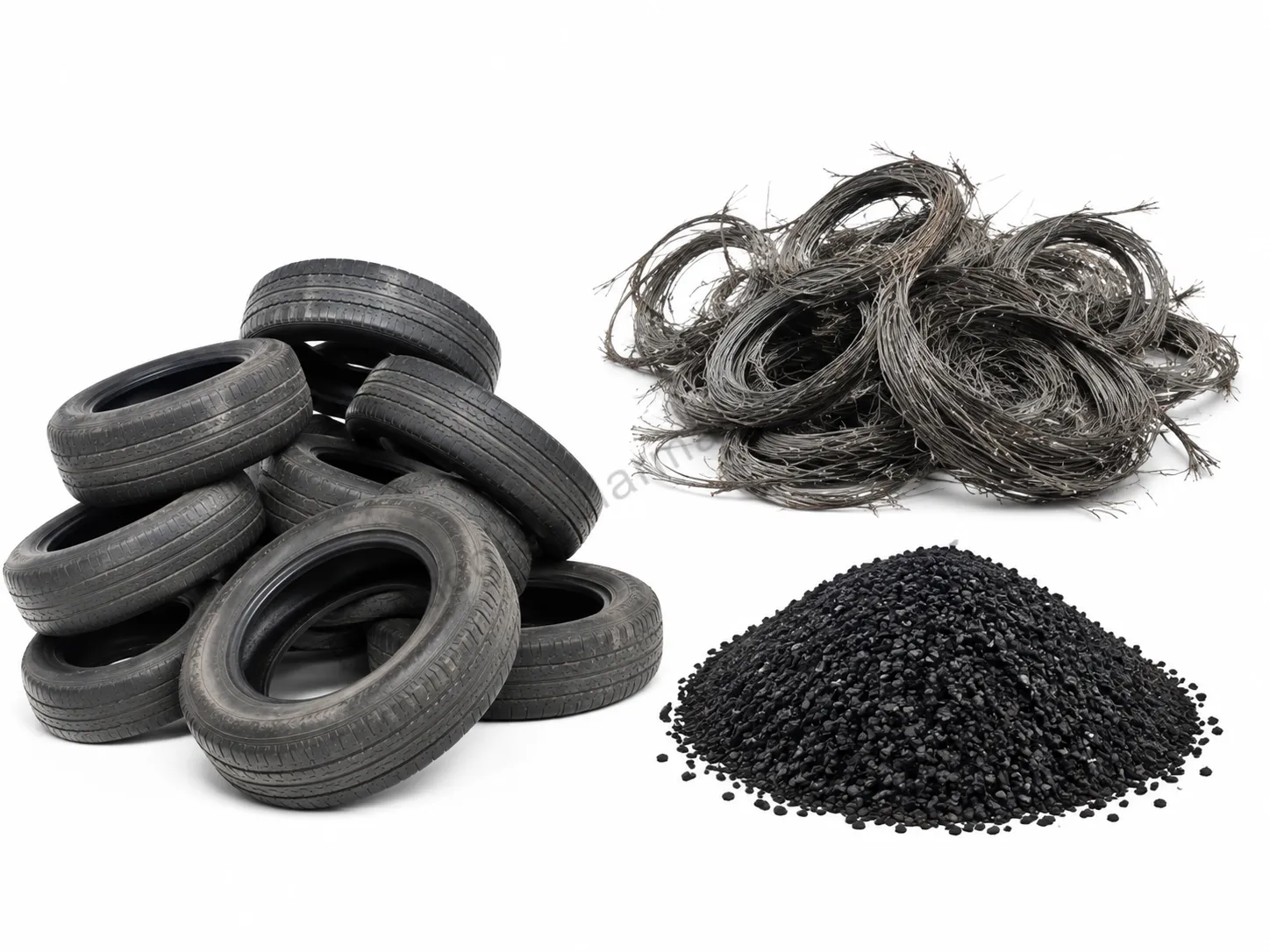
Before diving into equipment selection and facility setup, understanding the market dynamics is crucial. Tire recycling plants convert waste tires into valuable products including rubber powder, rubber granules, steel wire, and fiber. These materials find applications in construction, automotive, sports surfaces, and energy production industries.
The profitability of a tire recycling plant depends on several factors: feedstock availability, processing capacity, end-product quality, and market demand in your region. Most successful operations achieve break-even within 18-24 months when properly planned and executed.
Step 1: Conduct Market Research and Feasibility Study
Begin your tire recycling plant journey with thorough market research. Identify local tire waste sources including tire dealers, automotive service centers, fleet operators, and municipal waste collection points. Assess the volume of tires available for recycling in your target area.
Research potential buyers for your recycled products. Rubber powder serves asphalt modification, athletic track construction, and molded product manufacturing. Steel wire commands scrap metal prices, while nylon fiber finds use in various industrial applications. Understanding these markets helps determine your optimal product mix and pricing strategy.
Analyze competitors in your region. Identify existing tire recycling facilities, their processing capacities, product offerings, and market positioning. Look for gaps in service or product quality that your operation could fill.
Step 2: Secure Necessary Permits and Licenses
Operating a tire recycling plant requires various permits depending on your location. Contact local environmental agencies to understand waste handling regulations. Most jurisdictions require environmental impact assessments and operating permits for tire processing facilities.
Business registration, tax identification numbers, and zoning approvals form the legal foundation of your operation. Some regions require specialized licenses for handling end-of-life tires or storing rubber materials. Engage with local authorities early in the planning process to ensure compliance.
Insurance coverage represents another critical consideration. General liability, property, and environmental liability policies protect your investment against unforeseen circumstances. Consult with insurance providers experienced in waste management operations.
Step 3: Select an Appropriate Location
Location selection significantly impacts operational efficiency and profitability. Ideal sites offer proximity to tire waste sources, reducing transportation costs for raw materials. Access to major transportation routes facilitates product delivery to customers.
Consider space requirements carefully. A small-scale tire recycling plant typically needs 2,000-5,000 square meters, while larger operations may require 10,000+ square meters. The site must accommodate tire storage areas, processing equipment, finished product storage, and administrative facilities.
Utilities availability matters significantly. Tire recycling equipment requires substantial electrical power, with smaller plants needing 100-200 kW and larger facilities requiring 500+ kW. Water access supports dust suppression and cleaning operations. Ensure adequate utility capacity before finalizing your location.
Step 4: Choose the Right Tire Recycling Equipment
Equipment selection represents the most critical decision in establishing your tire recycling plant. The right machinery configuration depends on your target processing capacity, available investment capital, and desired end products.
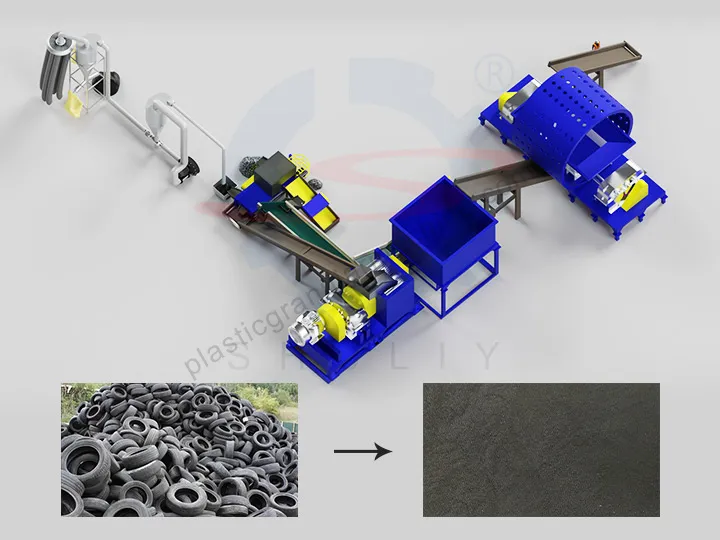
For entrepreneurs starting with limited capital, a semi-automatic tire recycling production line offers an excellent entry point. These systems process 500-1,000 kg per hour with 2-4 operators, providing manageable startup costs while maintaining production flexibility.
Established businesses or those targeting high-volume markets should consider a fully automatic rubber recycling plant. These advanced systems achieve processing rates of 2,000+ kg per hour with minimal labor requirements and consistent product quality.
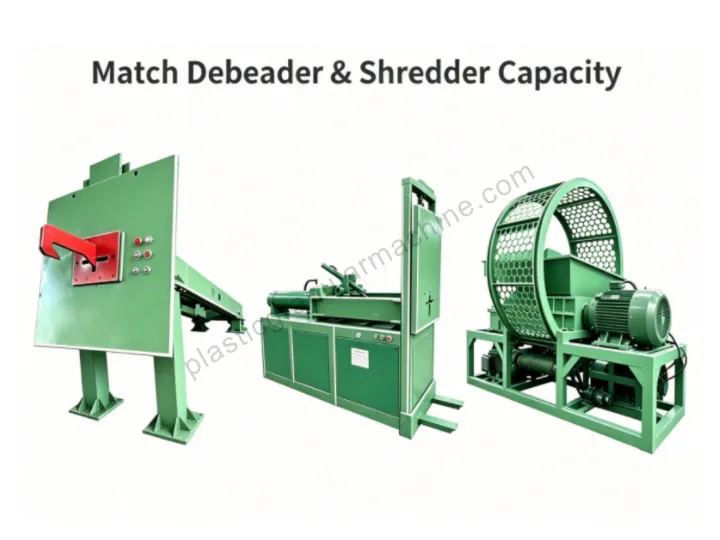
Core equipment components include tire debeaders for steel wire extraction, tire cutters for size reduction, tire shredders for primary breakdown, rubber grinding systems for powder production, and magnetic separators for steel removal. Fiber separators complete the process by removing nylon contamination.
Step 5: Install and Commission Your Equipment
Proper installation ensures optimal equipment performance and longevity. Work with experienced technicians who understand tire recycling machinery. Most reputable manufacturers provide installation support and operator training as part of their service package.
Commissioning involves testing each machine component individually before running the complete production line. This phased approach identifies any issues before full-scale operations begin. Expect the commissioning process to take 1-2 weeks for smaller plants and 3-4 weeks for larger facilities.
Operator training during commissioning proves invaluable. Well-trained staff operate equipment more efficiently, identify potential problems early, and maintain higher safety standards. Document standard operating procedures for reference and new employee training.
Step 6: Establish Operations and Marketing
With equipment installed and tested, focus shifts to operational execution. Develop relationships with tire waste suppliers to ensure consistent feedstock availability. Negotiate supply agreements with automotive businesses, tire retailers, and waste management companies.
Quality control systems maintain product consistency. Regular testing of rubber powder mesh size, steel purity, and fiber content ensures your products meet customer specifications. Document quality metrics to demonstrate reliability to potential buyers.
Marketing your recycled products requires understanding customer needs. Asphalt modifiers seek specific rubber powder specifications. Athletic track installers prioritize consistent granule sizing. Steel recyclers focus on purity and volume. Tailor your sales approach to each market segment.
Investment and ROI Considerations
Starting a tire recycling plant requires significant capital investment. Small-scale semi-automatic systems typically range from $50,000 to $150,000, while fully automatic plants may require $200,000 to $500,000 or more depending on capacity and configuration.
Revenue streams include rubber powder sales ($200-400 per ton), steel wire scrap value ($300-500 per ton), and fiber sales. A well-operated plant processing 2 tons per hour can generate substantial monthly revenue with proper market access.
Most tire recycling plants achieve positive cash flow within 12-18 months and full investment recovery within 2-3 years. These timelines vary based on local market conditions, operational efficiency, and management quality.
Get Expert Support for Your Tire Recycling Plant
Starting a tire recycling plant involves numerous complex decisions. Working with experienced equipment manufacturers simplifies the process significantly. At Shuliy Machinery, we provide comprehensive support from initial planning through installation and beyond.
Our team has helped entrepreneurs across Africa, the Middle East, Asia, and South America establish successful tire recycling operations. We offer customized solutions tailored to your specific market conditions, budget constraints, and production goals.
Contact us today to discuss your tire recycling plant project. Our engineers will analyze your requirements and recommend the optimal equipment configuration for your success.
Frequently Asked Questions
How much space do I need for a tire recycling plant?
A small-scale tire recycling plant requires approximately 2,000-5,000 square meters including storage areas. Medium to large operations need 5,000-10,000+ square meters. The site must accommodate raw tire storage, processing equipment, finished product storage, and administrative facilities.
What is the minimum investment to start a tire recycling plant?
Small-scale semi-automatic tire recycling plants start around $50,000-80,000 for basic equipment. Fully automatic systems range from $200,000-500,000 depending on capacity. Additional costs include facility preparation, permits, and initial working capital.
How long does it take to set up a tire recycling plant?
From equipment order to full operation typically takes 2-4 months. This includes manufacturing (4-6 weeks), shipping (2-4 weeks), installation (1-2 weeks), and commissioning (1-2 weeks). Permit acquisition may extend this timeline depending on local regulations.
What products can I make from recycled tires?
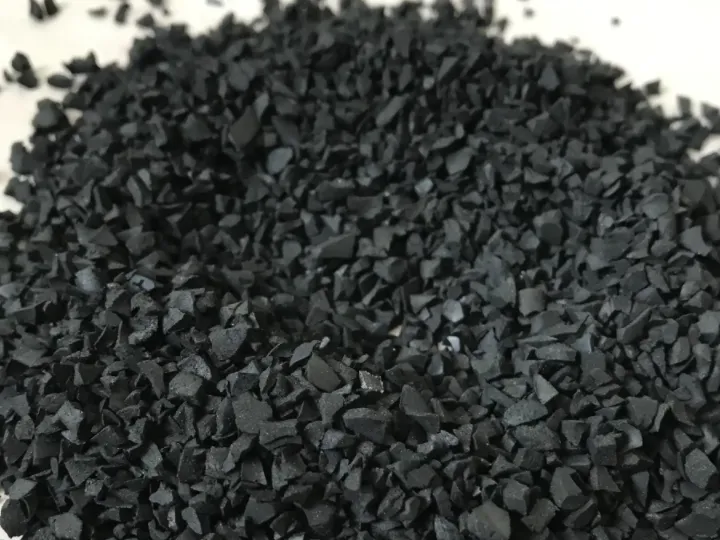
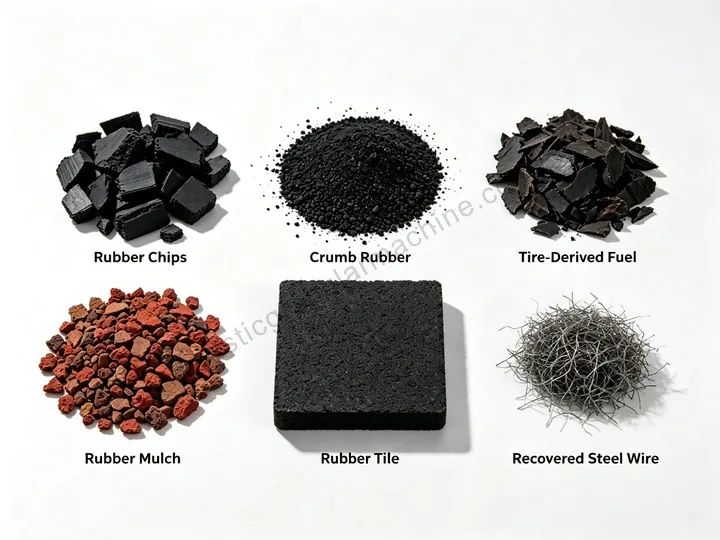
Tire recycling produces rubber powder (10-40 mesh) for asphalt modification and molded products, rubber granules for athletic tracks and playgrounds, clean steel wire for scrap metal recycling, and nylon fiber for industrial applications.
Is tire recycling profitable?
Yes, tire recycling can be highly profitable with proper planning. Revenue comes from rubber powder sales, steel wire scrap value, and fiber sales. Most well-managed operations achieve break-even within 18-24 months and generate strong returns thereafter.