How to Improve Rubber Powder Purity to 99%+
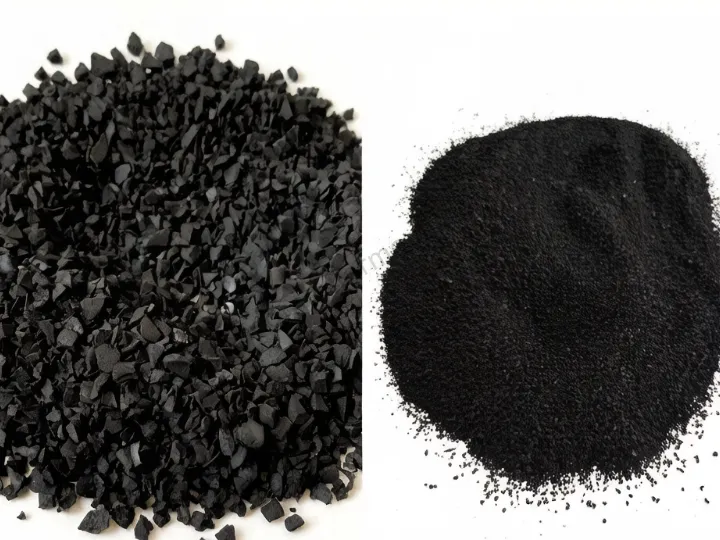
Achieving 99% or higher rubber powder purity separates premium recycling operations from commodity producers. High-purity rubber powder commands significantly better prices and opens access to demanding applications like asphalt modification and polymer blending. This guide explains the equipment, processes, and quality control measures necessary to produce contamination-free recycled rubber powder.
Understanding Rubber Powder Contamination Sources
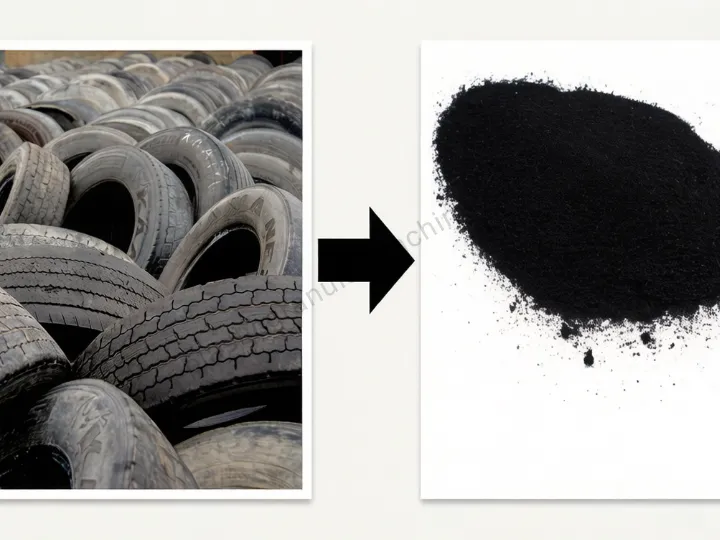
Before implementing purity improvements, understanding contamination sources helps target efforts effectively. Tires contain three main components: rubber compound, steel reinforcement, and textile fiber. Each presents unique separation challenges during the recycling process.
Steel contamination originates from bead wires, belt packages, and underlying carcass reinforcement. Even after debeading operations, significant steel content remains distributed throughout the tire structure. Magnetic separation removes ferrous materials, but effectiveness depends on magnet strength, particle size, and processing conditions.
Fiber contamination comes from polyester or nylon cords embedded in tire construction. These textile materials provide structural integrity to tires but must be removed for high-purity rubber powder. Fiber separation proves more challenging than steel removal because textile materials lack magnetic properties and have density similar to rubber.
Steel Separation Best Practices
Pre-Processing: Tire Debeading
Effective steel removal begins before shredding operations. Tire debeaders extract thick bead wires from tire sidewalls, reducing steel content entering downstream processes by 30-40%. This preliminary step protects shredding equipment and simplifies subsequent magnetic separation.
Debeading operations require proper machine setup and operator training. Insufficient pulling force leaves steel fragments in tire casings, while excessive force damages rubber material. Regular maintenance of debeader hooks and hydraulic systems ensures consistent performance.
Primary Magnetic Separation
Magnetic separators positioned after shredding capture steel fragments liberated during size reduction. Drum magnets or over-belt magnets attract ferrous materials while allowing rubber chips to pass through. Magnet strength measured in gauss directly affects separation efficiency.
High-intensity rare earth magnets provide superior separation compared to standard ceramic magnets. While more expensive initially, rare earth magnets achieve better steel removal and maintain strength over longer operational periods. For operations targeting 99%+ purity, high-intensity magnetic separation proves essential.
Secondary and Tertiary Magnetic Separation
Single-stage magnetic separation rarely achieves target purity levels. Multiple separation stages progressively reduce steel content. Secondary separation after primary grinding captures smaller steel fragments missed by initial processing. Tertiary separation following fine grinding removes microscopic steel particles embedded in rubber powder.
Each separation stage should use progressively stronger magnets or different magnetic configurations. Drum magnets work well for coarse material, while plate magnets or magnetic rolls prove more effective for fine powder applications. Strategic placement throughout the production line maximizes steel recovery.
Fiber Separation Techniques
Air Classification Systems
Air classification represents the primary method for removing textile fiber from rubber powder. These systems exploit density differences between rubber and fiber materials. Air streams carry lightweight fibers upward while heavier rubber particles fall through classification zones.
Effective air classification requires precise airflow control. Insufficient airflow fails to lift fibers, while excessive airflow carries valuable rubber particles into the waste stream. Modern rubber recycling plants use variable-speed blowers and adjustable air gates to optimize separation.
Multiple classification stages improve fiber removal efficiency. Primary classification removes bulk fiber content after grinding. Secondary classification following screening captures remaining fibers before final packaging. Each stage progressively reduces fiber contamination toward the 99%+ target.
Screening and Sizing
Precision screening separates rubber powder by size while removing oversized contaminants. Vibrating screens with appropriate mesh sizes classify material into specified grades. Common classifications include 10-20 mesh, 20-30 mesh, and 30-40 mesh for various applications.
Screen condition significantly affects product quality. Worn screens allow oversized particles through, while damaged screens may introduce contamination. Regular screen inspection and replacement maintains consistent product sizing and purity. Keep spare screens in inventory to minimize downtime during maintenance.
Electrostatic Separation
Advanced operations employ electrostatic separation for final fiber removal. These systems use high-voltage electrodes to charge particles, then separate them based on conductivity differences. Rubber and fiber particles follow different trajectories, enabling precise separation.
Electrostatic separation proves particularly effective for removing fine fiber fragments that escape air classification. While representing significant capital investment, electrostatic systems help achieve the highest purity levels required for premium applications. Operations supplying asphalt modification or polymer blending markets benefit from this technology.
Equipment Configuration for Maximum Purity
| Processing Stage | Equipment | Purity Contribution |
|---|---|---|
| Pre-processing | Tire debeader | Removes 30-40% of steel |
| Primary shredding | Magnetic drum separator | Captures coarse steel fragments |
| Secondary grinding | Over-belt magnet | Removes liberated steel |
| Fine grinding | High-intensity magnetic roll | Extracts microscopic steel |
| Classification | Air separator + screens | Removes fiber, sizes product |
| Final processing | Electrostatic separator | Achieves 99%+ purity |
Process Optimization Strategies
Feed Rate Management
Optimal feed rates ensure separation equipment operates within design parameters. Overfeeding overwhelms magnetic separators and air classification systems, reducing efficiency. Underfeeding wastes capacity and increases processing costs per ton.
Monitor feed rates continuously and adjust based on material characteristics. Wet or sticky rubber material flows differently than dry material. Steel-heavy truck tires require different handling than passenger car tires. Experienced operators learn to recognize these variations and adjust accordingly.
Temperature Control
Grinding operations generate significant heat through friction. Elevated temperatures affect rubber properties and separation efficiency. Hot rubber becomes sticky, clinging to equipment surfaces and potentially carrying contamination through the process.
Implement cooling measures to maintain appropriate processing temperatures. Ambient air cooling, water-cooled grinding chambers, or intermittent operation help control heat buildup. Some operations use cryogenic grinding with liquid nitrogen for premium applications, though this adds significant operating cost.
Material Flow Design
Plant layout affects separation efficiency. Minimize material transfer points where contamination can occur. Enclosed conveying systems prevent external contamination while reducing dust generation. Gravity flow between processing stages where possible reduces mechanical handling and potential contamination sources.
Segregate processing lines for different tire types when feasible. Processing passenger car tires separately from truck tires allows optimized settings for each material type. This approach improves both purity and processing efficiency.
Quality Control and Testing
In-Process Monitoring
Implement quality checks throughout the production process rather than relying solely on final product testing. Visual inspection of material at each processing stage identifies problems early. Magnetic detectors positioned after separation stages confirm steel removal effectiveness.
Regular sampling and analysis tracks purity trends over time. Test samples from each production shift to identify variations. Statistical process control charts help distinguish normal variation from emerging problems requiring corrective action.
Laboratory Testing Methods
Accurate purity measurement requires standardized testing procedures. Magnetic separation of laboratory samples quantifies steel content. Burn tests determine fiber content by combusting textile materials and weighing residue. Sieve analysis confirms particle size distribution meets specifications.
Invest in basic laboratory equipment for routine testing. Magnetic probes, precision balances, and standard sieve sets enable regular quality verification. Documented testing protocols ensure consistency between operators and over time.
Customer Specification Compliance
Premium rubber powder customers specify maximum contamination levels in purchase agreements. Common specifications include less than 0.1% steel content and less than 0.5% fiber content. Achieving 99%+ purity means meeting these stringent requirements consistently.
Certificate of analysis documentation accompanies shipments to premium customers. These documents report test results for each production batch, demonstrating compliance with specifications. Maintaining detailed records supports quality claims and builds customer confidence.
Common Purity Problems and Solutions
Despite best efforts, purity problems occasionally occur. Rapid diagnosis and correction minimize off-specification production. Common issues include worn magnetic separators, screen damage, air classifier misalignment, and feedstock variations.
Establish troubleshooting procedures for operators to follow when quality deviations occur. Check equipment settings, inspect wear components, and verify feedstock characteristics. Document corrective actions for future reference and continuous improvement.
Investment Considerations
Achieving 99%+ rubber powder purity requires appropriate equipment investment. Basic recycling lines produce commodity-grade material suitable for lower-value applications. Premium purity requires additional separation stages and quality control systems.
Evaluate market opportunities when planning equipment investments. Premium rubber powder commands prices 30-50% higher than commodity grades. Calculate return on investment based on achievable price premiums and additional production costs.
Contact Shuliy Machinery to discuss equipment configurations optimized for your target purity levels and market requirements. Our engineering team designs systems balancing capital investment, operating costs, and product quality to maximize your profitability.