Plastic Bag Recycling Process: Why the Crusher is Key
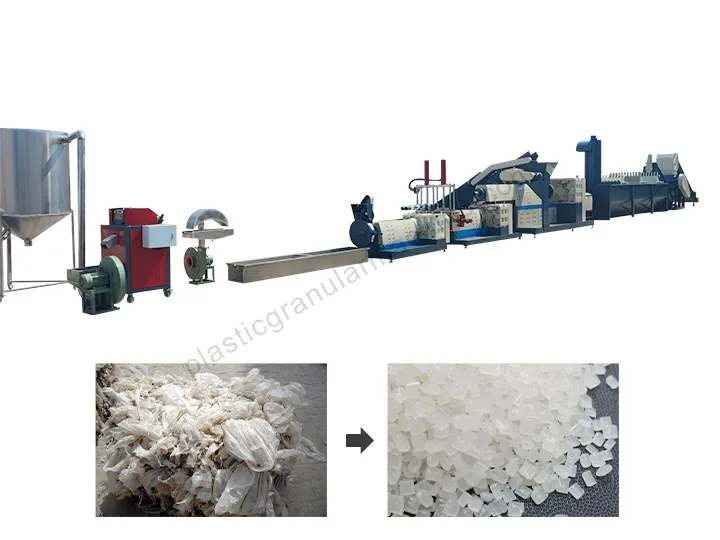
Let’s be honest: plastic bags are everywhere. From the LDPE liners in shipping boxes to the heavy-duty PP woven bags used in agriculture, they are the backbone of modern logistics. But once their job is done, they become a bulky, tangled mess that most waste management systems struggle to handle.
If you are looking to turn this waste into a profitable resource, you need more than just a plan. You need a process.
While many focus on the final “granules” or the “washing tanks,” the real magic—and the most common failure point—happens right at the beginning. This is where a professional plastic bag crusher comes into play.
Here is exactly how the recycling journey works and why the crushing stage defines your final product quality.
Step 1: Collection and Sorting
It all starts with the “feed.” Not all bags are created equal. You might have clean factory off-cuts or dirty, post-consumer grocery bags. Sorting by material type (e.g., PE vs. PP) is crucial because mixing polymers results in weak, low-value recycled plastic.
The goal here is consistency. The more uniform your input, the more stable your recycling line will run.
Step 2: The Critical Crushing Phase
This is the “make or break” moment. Unlike rigid plastic bottles, plastic bags are incredibly resilient and “stretchy.”
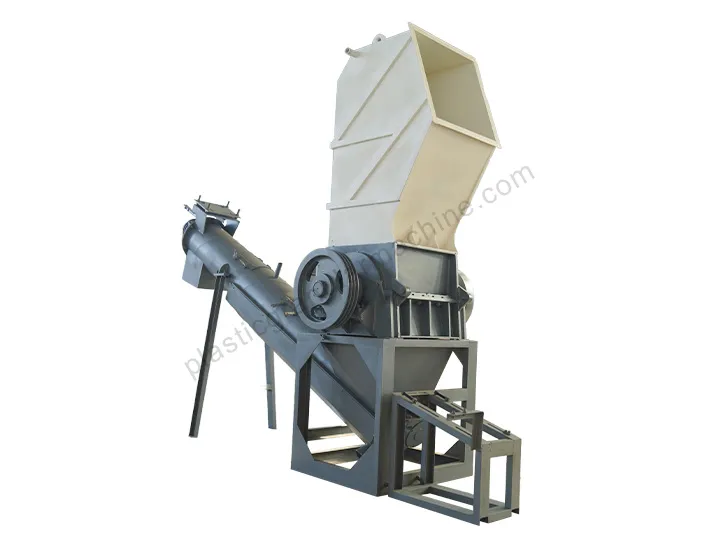
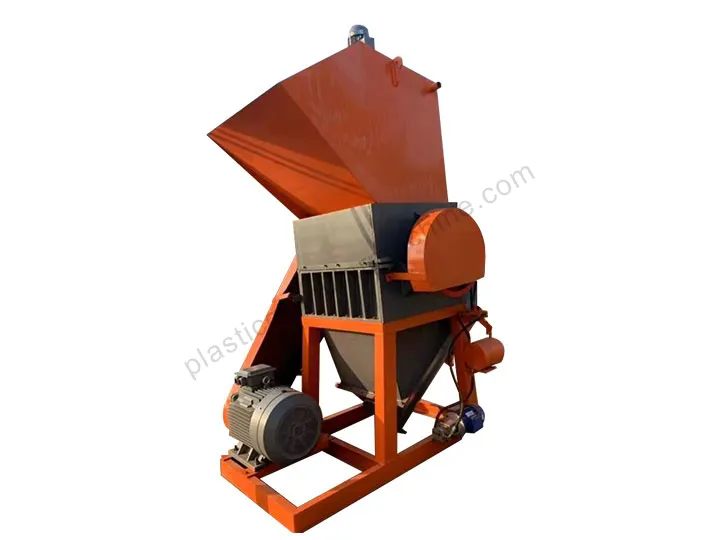
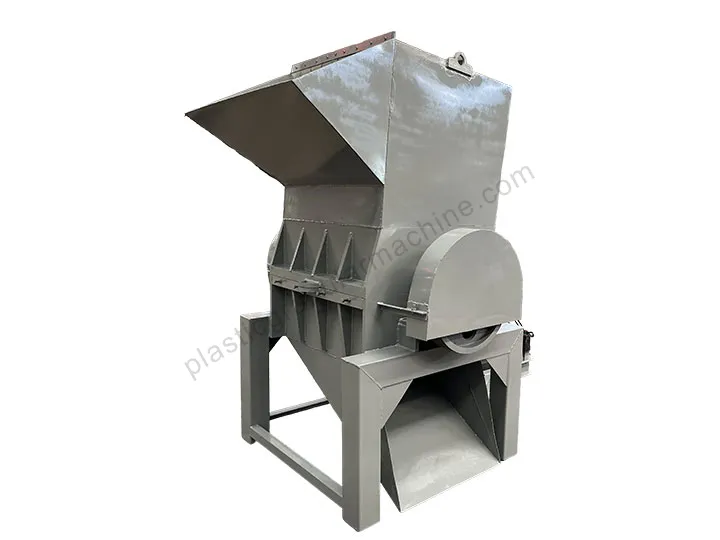
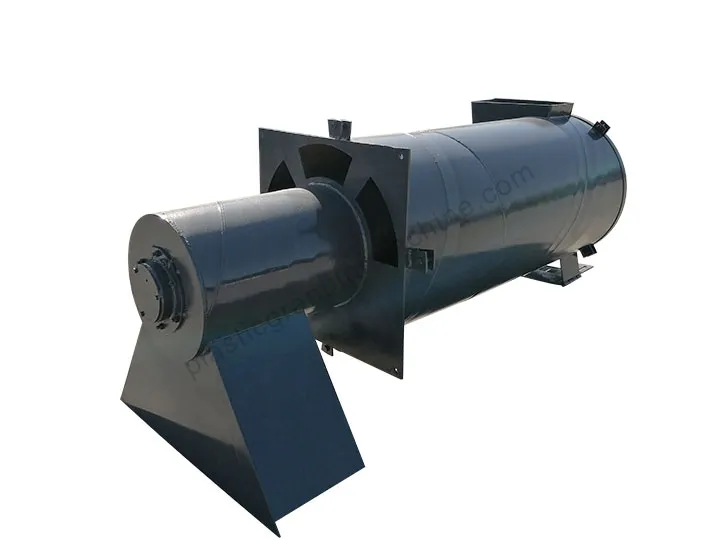
If you use a generic grinder, the bags will simply wrap around the rotor, creating heat and smoke but very little output. A dedicated plastic bag crusher uses a specific “V-shape” or “Claw” blade configuration.
Think of it as the difference between trying to cut a piece of string with a hammer versus a sharp pair of tailor’s shears. The crusher slices the bags into uniform flakes (usually 10mm to 20mm). This rapid size reduction is what makes the rest of the process possible. It’s not just about making pieces smaller; it’s about preparing the material for a deep clean.
Step 3: Friction Washing and Separation
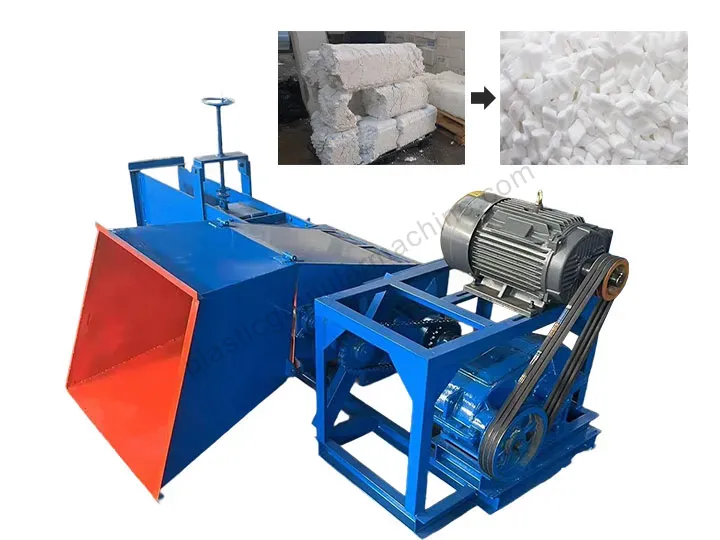
Once the bags are reduced to flakes by the plastic film shredder, they enter the washing stage.
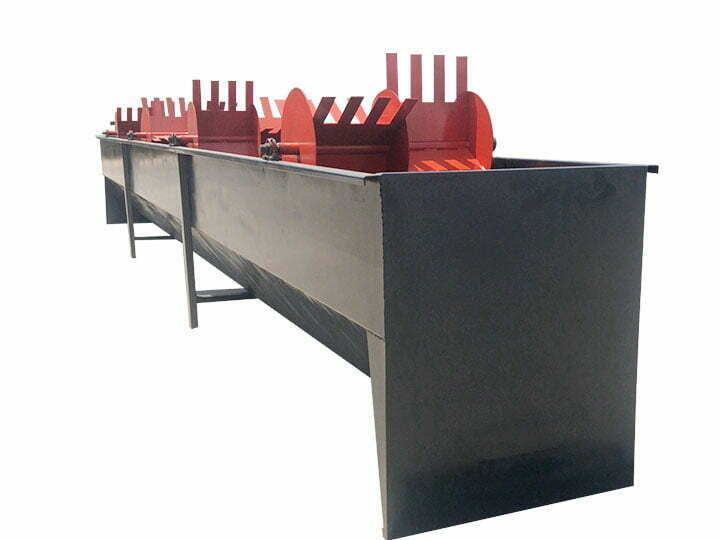
Because the surface area is now maximized, high-speed friction washers can effectively strip away contaminants like sand, organic waste, and leftover adhesives. In a floating tank, the plastic flakes (which usually float) are separated from heavier contaminants like stones or metals (which sink).
Step 4: Drying and De-watering
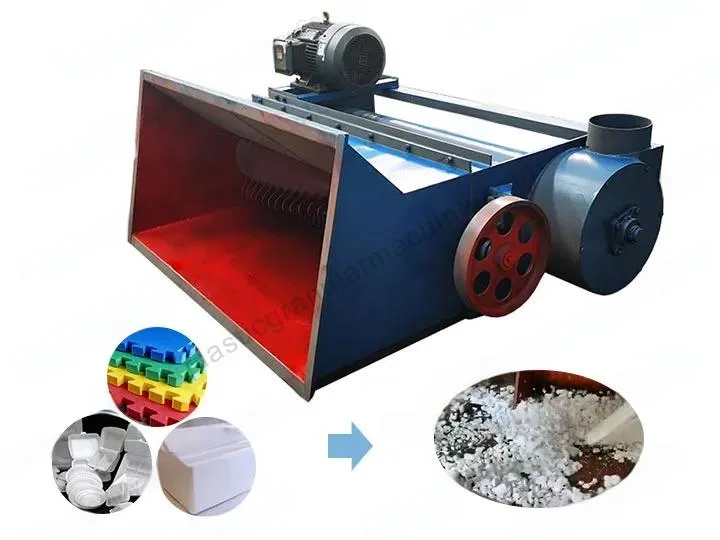
Wet plastic cannot be turned into high-quality pellets. After washing, the flakes must be dried. This is often done using a centrifugal dryer or a “squeeze” dryer specifically designed for film and bag flakes. The goal is to get the moisture content down to less than 2-5%.
Step 5: Extrusion and Pelletizing
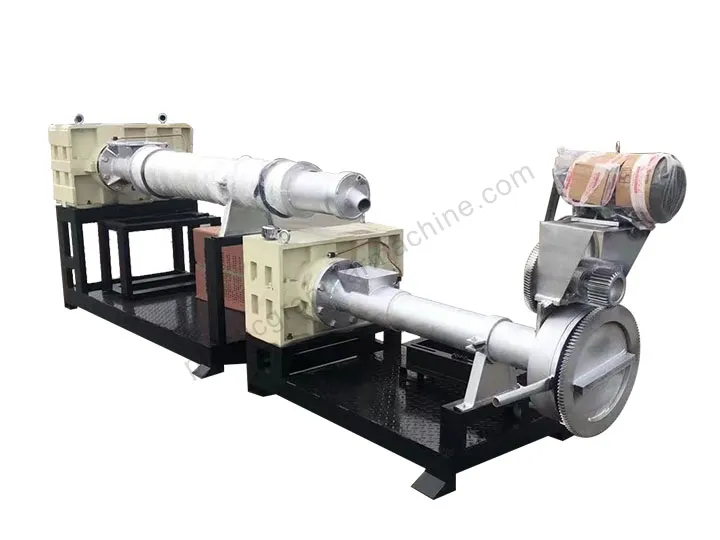
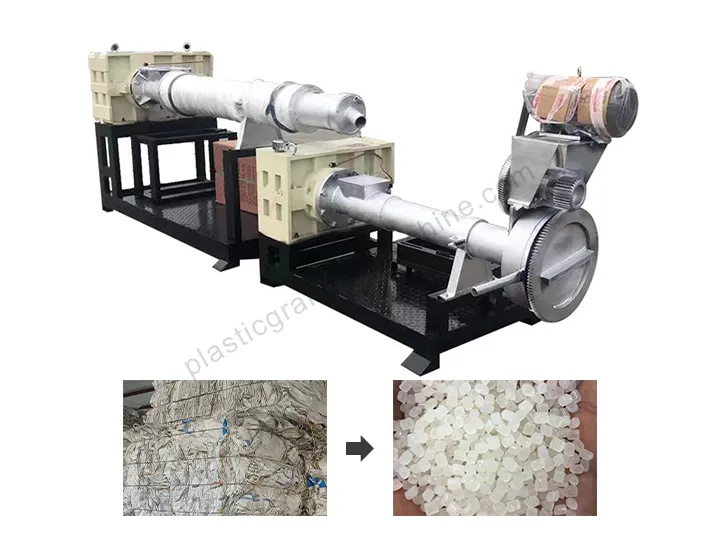
This is the final transformation. The clean, dry flakes are fed into an extruder where they are melted, filtered, and cut into small, uniform pellets. These pellets are the “gold” of the recycling world—they can be sold back to manufacturers to create new bags, pipes, or plastic lumber.
The Bottom Line: Don’t Skimp on the Crusher
Why do we emphasize the crushing stage so much? Because output quality starts at the input.
If your plastic bag crusher produces uneven flakes or fails to handle the “stretch” of the material, your washing line will be inefficient, and your final pellets will be contaminated. A bottleneck at the start of the line slows down everything else.
Investing in a robust, high-capacity crusher isn’t just a purchase—it’s an insurance policy for your entire recycling operation. It ensures that your line stays running, your blades stay sharp longer, and your final product meets the high standards of today’s plastic buyers.