Rigid vs Film Plastic Granulation Line: Key Differences & How to Choose
When investing in a plastic granulation line, one of the most common challenges is choosing between processing rigid plastics or plastic films. Although both belong to the same recycling category, the equipment configuration, efficiency, and operation logic are quite different.
At EFFICIENT Machinery, we often see customers make the wrong choice at the beginning—leading to lower output, unstable production, and unnecessary costs.
This guide will help you clearly understand:
- The common workflow of a plastic granulation line
- The real differences between rigid and film processing
- How to choose the right plastic granulation line for your business
What Is a Plastic Granulation Line? (Common Process Explained)
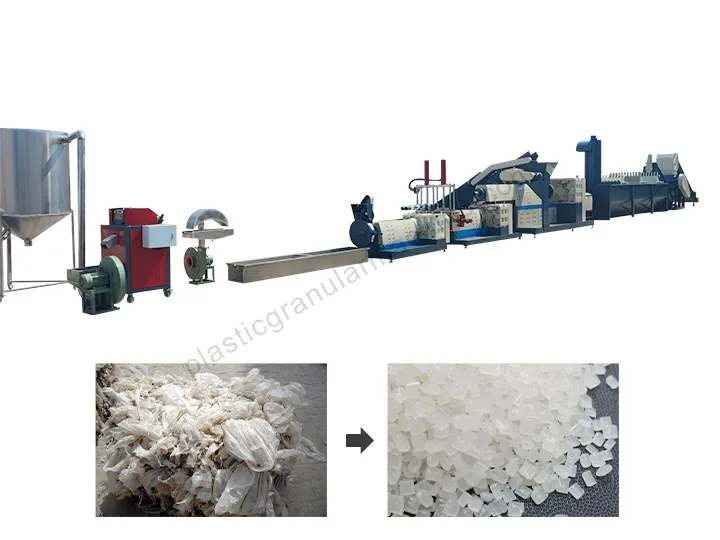
No matter what material you process, a standard plastic granulating line follows a similar structure. Understanding this “common logic” is important before comparing differences. Typical Workflow of a Plastic Granulation Line:
Sorting → Crushing → Washing → Dewatering → Feeding → Extrusion → Pelletizing → Cooling
Key Stages:
- Crushing: Reduces plastic size for consistent feeding into the plastic granulation line.
- Washing: Removes contamination such as dirt, sand, and oil.
- Dewatering: Removes moisture before entering the extrusion stage.
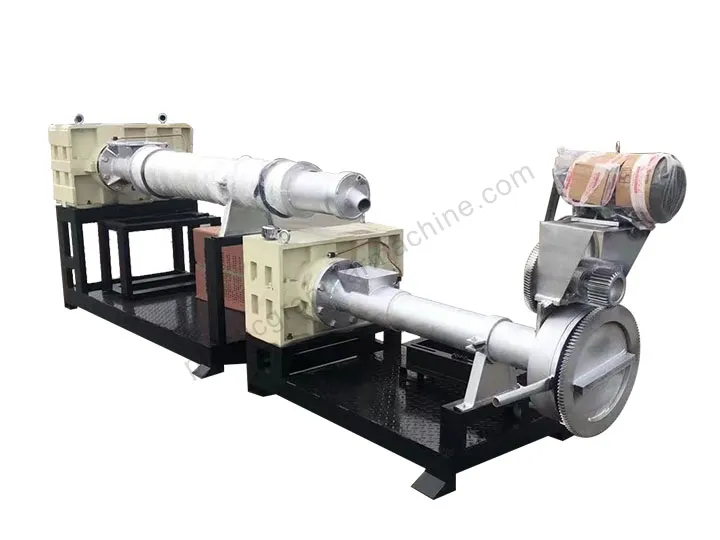
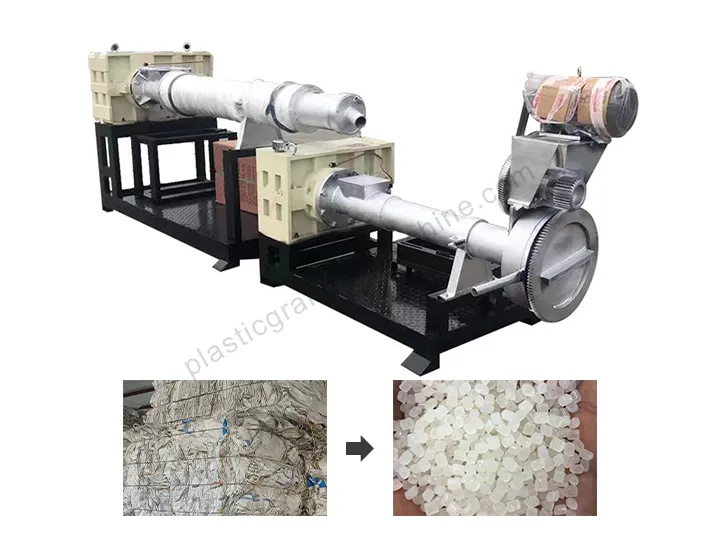
- Extrusion & Pelletizing: The core of any plastic granulation line — melting and cutting into pellets.
While the structure of a plastic granule production line is similar, the equipment details change significantly depending on the material type.
Key Differences Between Rigid and Film Plastic Granulation Line
Crusher Screen Size (Directly Affects Output Stability)
In a plastic granulation line, crushing is the first critical step.
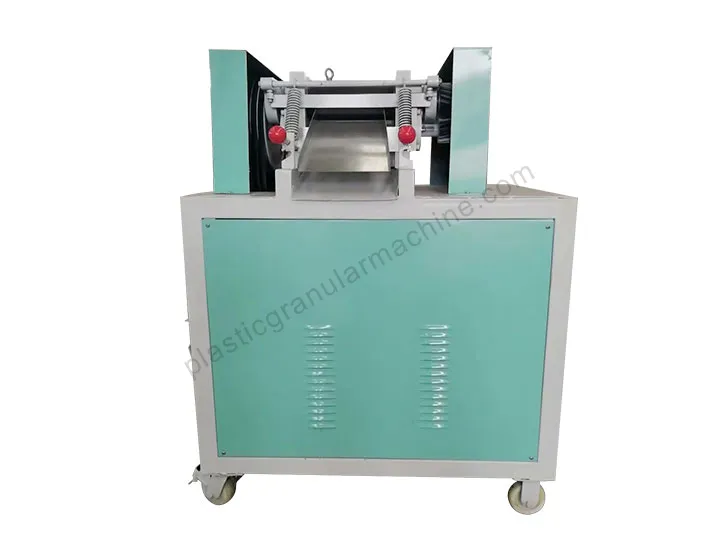
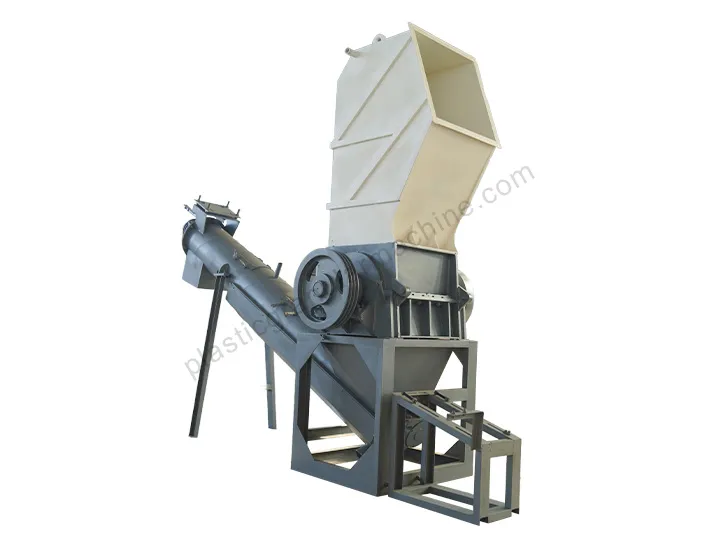
- Rigid plastic shredding machine: 16 – 18 mm screen size
- Film plastic shredder: around 90 mm
👉 Reason (simple but important):
- Rigid plastics require smaller, uniform flakes for stable melting.
- Film materials are soft and flexible—larger sizes prevent wrapping and machine blockage.
Dewatering Efficiency
After washing, materials go through a dewatering system:
- Rigid materials: up to 97% efficiency
- Film materials: relatively lower
👉 Film tends to retain water and entangle, which affects drying efficiency and feeding stability in the plastic granulation line.
Conveyor System Design
Not all materials move the same way.
- Rigid plastics: stable conveying
- Film plastics: lightweight, easy to float or stick
👉 A film plastic granulation line requires a custom conveyor design to ensure continuous feeding without bridging or clogging.
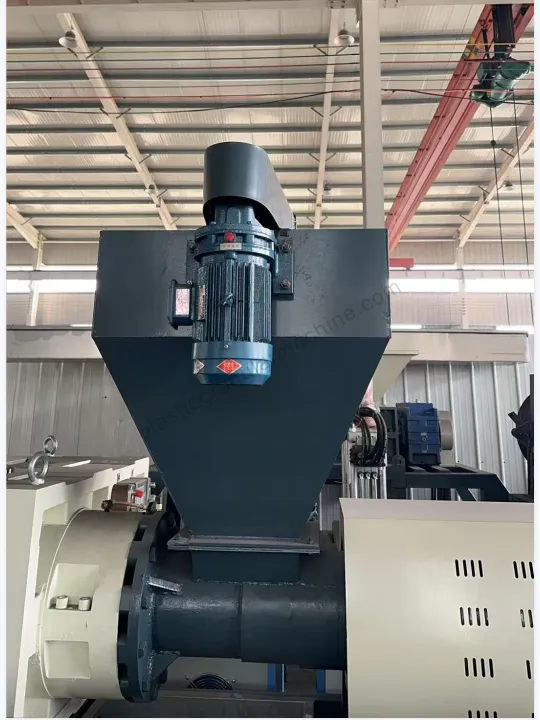
Feeding System (Core Difference in Pelletizing Stage)
Feeding is where many plastic pelletizing line projects fail—especially for film. Film cannot enter the extruder smoothly without assistance. That’s why forced feeding machines are essential.
EFFICIENT offers three types:
- Shaft-driven feeder: stable and widely applicable
- Chain plate feeder: ideal for bulk film materials
- Screw feeder: precise and continuous feeding
A proper feeding system ensures:
- Stable extrusion
- Higher pellet quality
- Better overall performance of the plastic granulation line
Optional Upgrade for Dirty Film Materials
For films with high sand or contamination, a standard configuration may not be enough.
👉 Recommended upgrade:
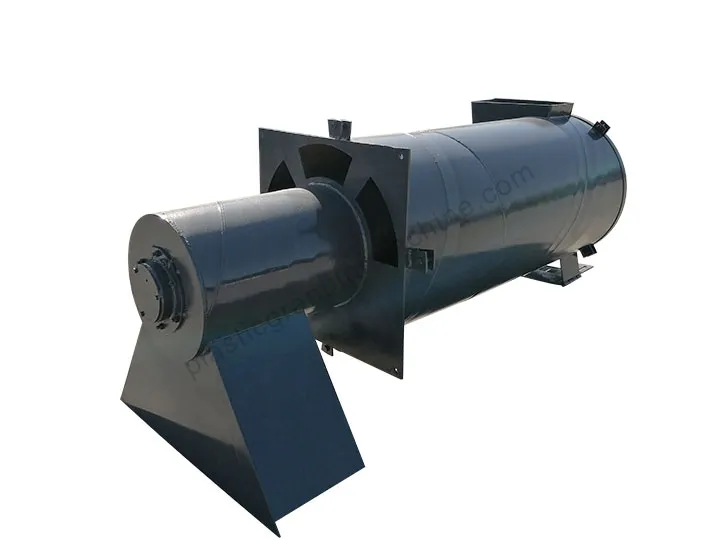
Replace the screw conveyor after crushing with a high-speed friction washing machine
Why this matters:
- Strong friction removes stubborn dirt
- Reduces wear on the extruder
- Improves pellet quality
👉 This upgrade is especially useful for agricultural films and post-consumer waste.
Application Differences
Rigid Plastic Granulation Line suitable for: HDPE bottles, PP containers and crates, hard plastic scraps. It features more stable operation and easier handling.
Film Plastic Granulation Line suitable for: LDPE films, agricultural films, plastic bags and packaging waste. It requires more specialized design in the plastic granulation line.
One Line or Two? (Important Decision)
Many buyers ask:
“Can I use one plastic pelletizing line for both rigid and film materials?”
Our professional answer:
👉 Not recommended
Why?
- Different crushing requirements
- Different feeding systems
- Different moisture behavior
- Different conveying methods
👉 Mixing materials in one plastic granulating line will lead to:
- Lower efficiency
- Frequent blockages
- Poor pellet quality
What About Small Capacity?
Even for small-scale production, it is better to separate rigid and film granulation processes. This ensures: Stable operation, Better pellet consistency, Longer machine lifespan.
How to Choose the Right Plastic Pelletizing Line?
To select the right plastic pellet production line, focus on these factors:
- Raw Material Type:
- Rigid → choose rigid plastic granules making line
- Film → choose soft plastic recycling line
- Contamination Level:
- Clean material → standard line
- Dirty film → friction washing upgrade
- Production Capacity:
- Small capacity → simplified configuration
- Large capacity → customized plastic granulating line
Final Thoughts
Choosing the right plastic granulation line is not just about buying equipment—it’s about building a stable and profitable recycling system.
Rigid plastics and film materials behave completely differently in processing.
Using the wrong configuration can cost you more in the long run.
At EFFICIENT Machinery, we help customers design the most suitable plastic granulation line based on:
- Material type
- Contamination level
- Production goals
Get Your Plastic Granulation Line Solution
Not sure which plastic granulation line is right for your material?
Contact us today to get:
- Free material analysis
- Customized equipment configuration
- Competitive factory price