Water Ring vs Strand Pelletizing: Which Is Better for Plastic Recycling?
Choosing between water ring vs strand pelletizing is an important decision when investing in a plastic recycling machine. The right system can help reduce production interruptions, improve pellet consistency, and control operating costs. The wrong choice may lead to broken plastic strands, uneven pellets, or unnecessary maintenance.
For plastic recycling businesses, the best solution depends on the type of waste plastic, target production capacity, available budget, and the quality of recycled pellets required.
This guide compares both plastic pelletizing methods in practical terms to help you choose the right equipment for your business.
1. What Is Strand Pelletizing?
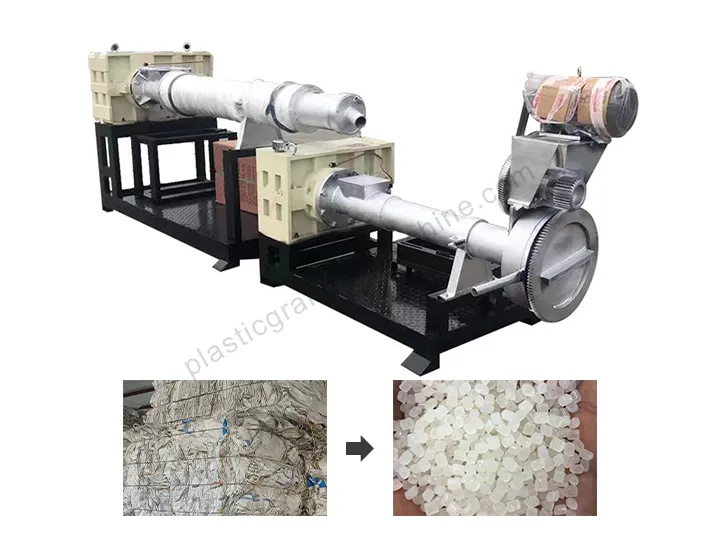
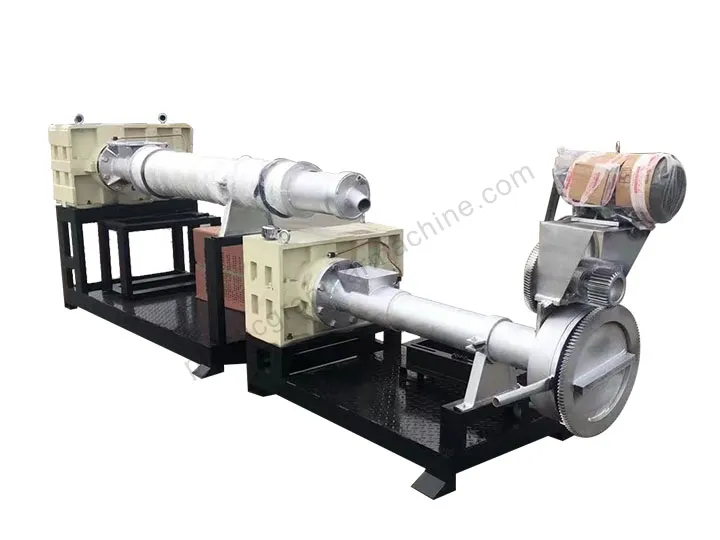
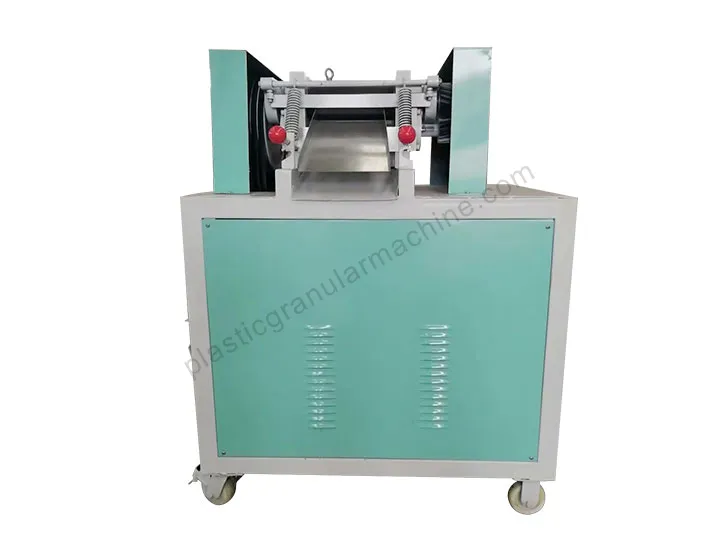
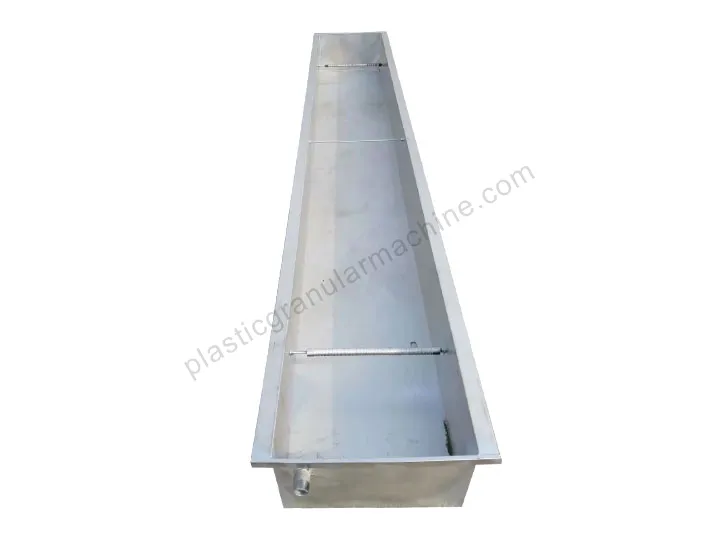
Strand pelletizing is a traditional method used in plastic granulation lines. The molten plastic passes through an extrusion die and forms continuous plastic strands. These strands enter a cooling water tank, become solid, and then pass through a strand pelletizer, where rotating blades cut them into small granules.
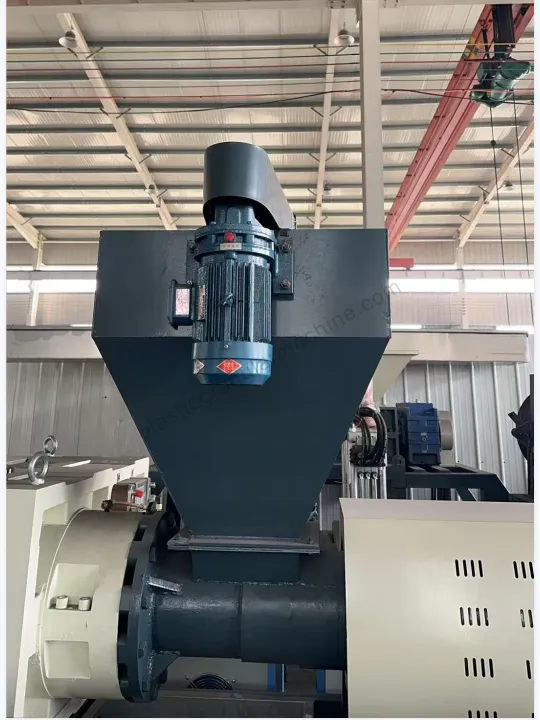
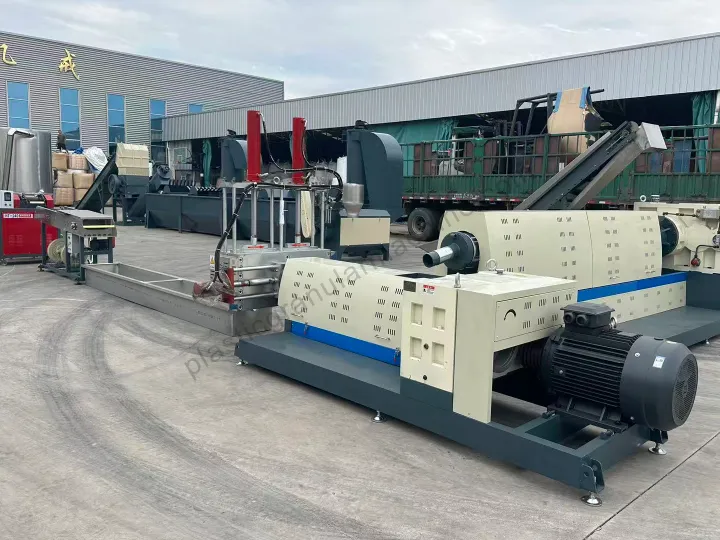
A strand pelletizing system usually includes a plastic extruder, die head, cooling tank, strand cutter, and related conveying equipment.
Main advantages of strand pelletizing:
- Lower initial investment: A basic strand cutting system is often an economical option for small and medium-sized recycling businesses.
- Easy maintenance: The cutting mechanism is relatively straightforward, and blades can be inspected and replaced without complex procedures.
- Visible production process: Operators can check the plastic strands before cutting and identify problems such as poor extrusion or inconsistent strand thickness.
- Flexible production: It can be suitable for businesses processing different rigid plastics, provided the materials are compatible with the extrusion system.
Main limitations:
Plastic strands may break during cooling or feeding, especially when the material cannot maintain a stable strand shape. Operators may need to restart the feeding process, causing downtime. A strand pelletizing line also requires sufficient space for the cooling tank and feeding section.
2. What Is Water Ring Pelletizing?
Water ring pelletizing, also called water ring die-face pelletizing, cuts molten plastic directly at the extrusion die. Rotating blades cut the material as it exits the die, while circulating water cools and carries away the pellets.
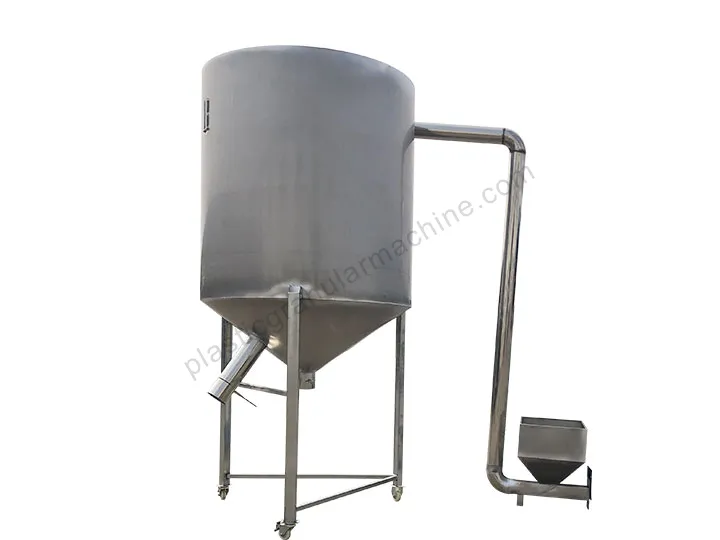
The pellets are then separated from the water and usually pass through a dewatering or drying system.
Main advantages of water ring pelletizing:
- No long plastic strands: Cutting takes place at the die face, reducing problems caused by broken strands.
- Compact layout: The cutting and cooling sections can be arranged close to the extruder, helping save factory space.
- Continuous operation: With suitable material, temperature, blade speed, and water flow, the system can support stable production with less manual strand handling.
- Suitable for many film recycling applications: Water ring pelletizing is commonly used for compatible PE and PP film recycling lines.
Main limitations:
Water ring pelletizing requires accurate adjustment of cutting speed, blade clearance, melt temperature, and cooling conditions. Poor settings can produce irregular pellets, fines, or pellets that stick together.
The system also requires water circulation, pellet separation, and drying equipment. These components should be included when evaluating the total investment and maintenance requirements.
3. Water Ring vs Strand Pelletizing: Key Differences
| Comparison | Water Ring Pelletizing | Strand Pelletizing |
|---|---|---|
| Cutting method | Cuts at the hot die face | Cuts cooled plastic strands |
| Typical pellet shape | Rounded, lens-shaped, or similar | Usually cylindrical |
| Best-known application | Compatible PE/PP film recycling | Stable strands from rigid plastics and other suitable materials |
| Strand breakage | No long strands to feed | Strand breakage can interrupt production |
| Factory layout | Generally more compact | Requires space for a cooling tank |
| Maintenance | Requires attention to blades, die face, water, and drying | Relatively straightforward cutter maintenance |
| Initial investment | Depends on the complete line configuration | Often lower for a basic setup |
| Operator involvement | Less strand handling | More attention to strand feeding may be needed |
Neither method is automatically better for every plastic recycling project. Actual performance depends on material properties, machine design, production rate, and operating conditions.
4. Which Pelletizing Method Is Better for Different Plastics?
The most important factor in water ring vs strand pelletizing is whether the plastic can be processed reliably by the chosen cutting method.
PE and PP Plastic Film
For businesses recycling compatible LDPE, LLDPE, or PP films, water ring pelletizing is often worth considering. Thin films can be difficult to maintain as stable strands, particularly when the recycled material has inconsistent melt strength.
A water ring system avoids long-strand feeding and can be a practical choice for continuous film recycling.
HDPE and Rigid PP
For clean, sorted HDPE and rigid PP, strand pelletizing can be an economical solution when the extruded material forms stable strands.
It is also useful when operators need to inspect strand quality before cutting or when the business wants a relatively simple cutting system.
ABS and Other Engineering Plastics
Strand pelletizing may suit compatible ABS and selected engineering plastics, depending on their processing requirements. However, material-specific temperatures, cooling conditions, and pellet quality requirements must be checked before selecting the equipment.
Do not choose a pelletizer based on the plastic name alone. Recycled material may behave differently from clean, consistent production scrap.
5. Which System Has Lower Operating Costs?
When comparing water ring vs strand pelletizing, looking only at the purchase price can lead to the wrong decision.
A strand pelletizing line may have a lower initial cost, but frequent strand breakage can increase labor requirements and reduce effective production time.
A water ring pelletizing line may reduce strand-handling work, but it needs suitable water circulation, dewatering, and drying equipment. Blade adjustment and die-face cleaning also require attention.
Before buying, compare these five factors:
- Total equipment cost: Include the extruder, cutter, cooling equipment, electrical controls, and auxiliary machines.
- Actual production output: Ask for expected output with your specific recycled material, not just the machine’s maximum rated capacity.
- Labor requirements: Consider how many operators are needed during startup and normal production.
- Maintenance and spare parts: Check blade replacement, cleaning procedures, and spare-part availability.
- Pellet quality: Confirm that the finished granules meet your customers’ requirements.
The better investment is the system that produces acceptable pellets reliably at a suitable total operating cost.
6. How to Choose the Right Plastic Pelletizing Machine
Before requesting a quotation, prepare the following information:
- Raw material: PE film, PP woven bags, HDPE, rigid PP, or another plastic.
- Material condition: Clean production scrap or post-consumer recycled plastic.
- Target capacity: Your required output in kilograms per hour.
- Pellet requirements: Desired size, shape, and consistency.
- Factory conditions: Available floor space, electricity supply, water availability, and local maintenance resources.
For buyers comparing water ring vs strand pelletizing, these details help the supplier recommend a suitable configuration rather than a machine based only on a general capacity range.
If your business mainly processes soft plastic films, ask whether a water ring system is suitable for your material. If you process rigid plastics that form stable strands, compare the cost and maintenance advantages of a strand pelletizing line.
7. Frequently Asked Questions
Is water ring pelletizing better than strand pelletizing?
Water ring pelletizing is often a practical choice for compatible plastic film recycling because it avoids long-strand feeding. Strand pelletizing can be more economical for stable strands and businesses that prioritize simple maintenance. The best choice depends on your material and production goals.
Does strand pelletizing produce uniform plastic granules?
Yes. A properly adjusted strand pelletizer can produce consistent cylindrical granules. Pellet uniformity depends on strand diameter, cutter speed, blade condition, and stable material feeding.
Is water ring pelletizing suitable for small recycling factories?
It can be, but the complete equipment cost, auxiliary systems, and expected output should be evaluated first. A simpler strand pelletizing line may be more appropriate for a business with a limited budget or lower production requirements.
What information is needed for a machine quotation?
Provide the plastic type, raw material condition, target output, desired pellet size, and whether you need a complete plastic granulation line or only a cutting system.
Find the Right Plastic Granulation Solution
The choice between water ring vs strand pelletizing should be based on your raw material, production target, operating budget, and required pellet quality.
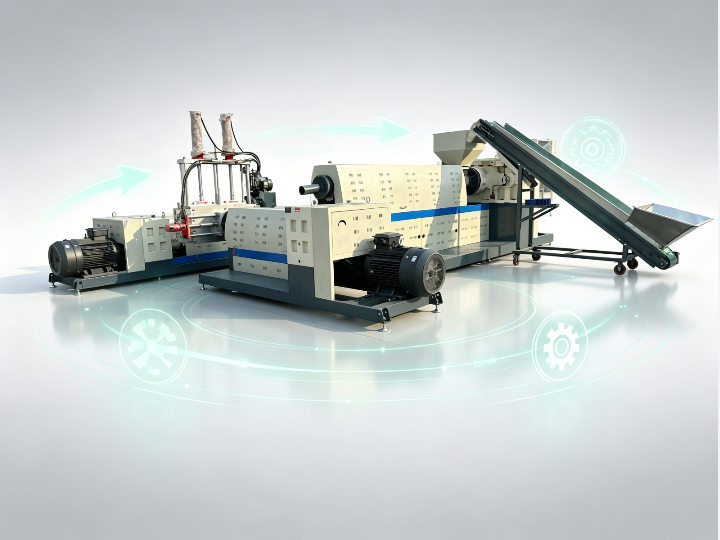
EFFICIENT provides plastic processing and granulation equipment for different production needs. Whether you are starting a recycling business or upgrading an existing production line, selecting a suitable pelletizing method can help improve production reliability and control operating costs.
Contact EFFICIENT with your plastic material and target capacity to discuss a suitable plastic pelletizing machine for your project.