Plastic Recycling Plant Design: How to Build an Efficient Pelletizing System
When planning a recycling project, many investors focus first on machine models and output capacity. In reality, however, the overall plastic recycling plant design often has a greater impact on long-term efficiency than the equipment itself.
A well-planned layout can improve material flow, reduce labor costs, minimize downtime, and stabilize pellet quality. On the other hand, poor workshop planning may lead to feeding interruptions, excessive moisture, unstable extrusion pressure, and difficult maintenance.
Whether processing PE film, PP woven bags, or rigid HDPE waste, a practical plant layout is essential for stable production.
Why Plant Layout Matters in Plastic Recycling
In many recycling workshops, equipment is added gradually as production expands. Over time, this can create inefficient material flow and unnecessary transportation between machines.
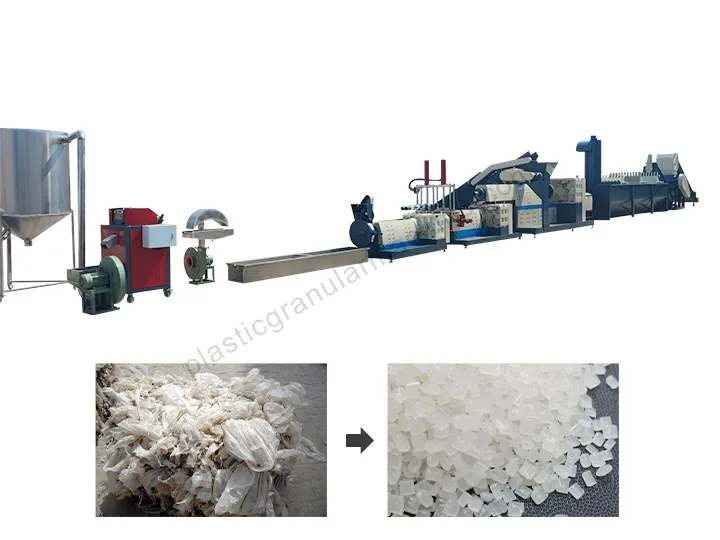
A professional plastic recycling plant design should allow materials to move smoothly through each stage:
- Crushing
- Washing
- Dewatering
- Drying
- Pelletizing
- Cooling and storage
When these stages are arranged properly, the entire recycling process becomes more stable and easier to manage.
Good layout planning can also help reduce:
- material blockage
- manual handling
- floor space waste
- energy consumption
- maintenance difficulty
For recycling plants handling wet PE film or post-consumer packaging waste, layout efficiency becomes even more important because moisture control and feeding stability directly affect final pellet quality.
Different Materials Require Different Plant Designs
Not all plastics behave the same during recycling. A layout suitable for rigid HDPE containers may not work efficiently for soft film materials.
Film Recycling Lines
PE film and agricultural film are lightweight and easily retain water after washing. They also tend to wrap around conveyors and feeding systems.
Because of this, film recycling plants usually require:
- larger washing areas
- longer drying sections
- forced feeding systems
- more space for material buffering
In many modern film recycling workshops, vertical dewatering machines and squeezing dryers are placed close to the pelletizing section to reduce moisture before extrusion.
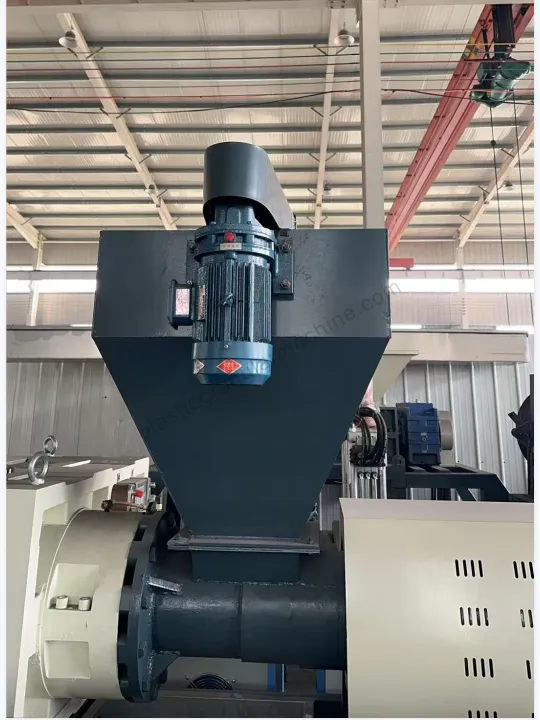
Stable feeding is especially important in film recycling. Some forced feeders now use automatic stirring structures to prevent bridging and improve continuous material flow.
Rigid Plastic Recycling Lines
Rigid plastics such as HDPE drums, PP crates, and injection scraps are easier to convey and dry.
Compared with film recycling, rigid plastic lines usually:
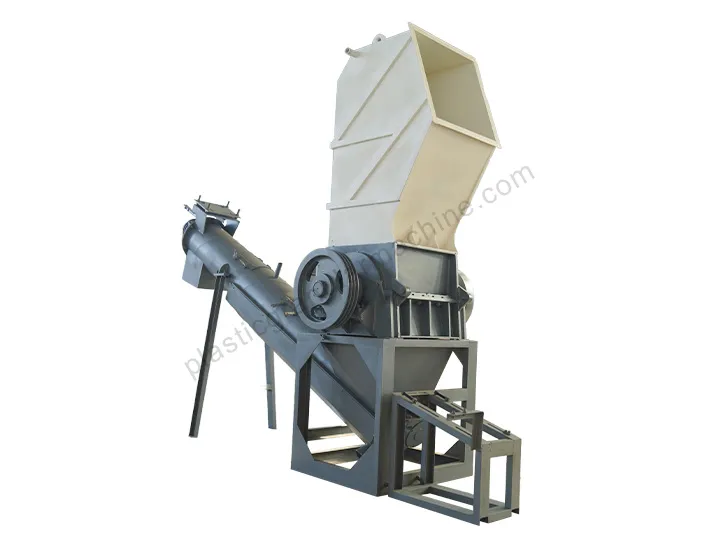
- require stronger crushing systems
- use shorter drying sections
- occupy less feeding buffer space
- maintain more stable extrusion pressure
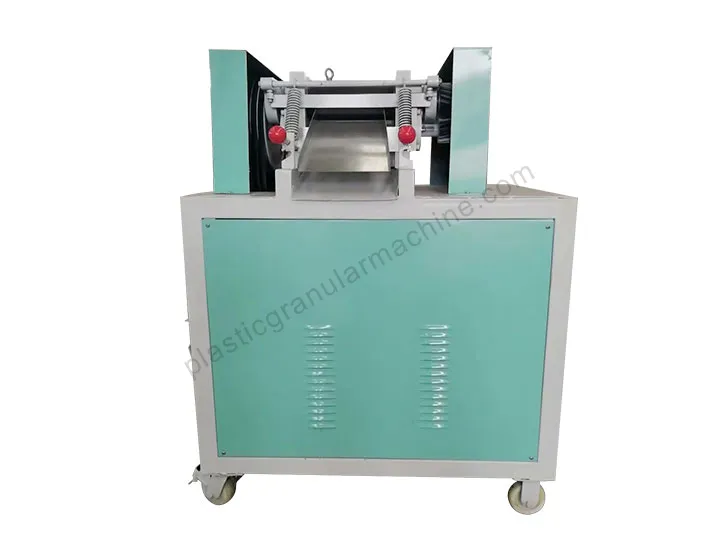
For rigid flakes, crusher placement becomes particularly important. Many recycling plants now place shredding and crushing equipment near raw material storage areas to improve feeding efficiency and reduce forklift transportation.
You can also explore complete rigid plastic recycling solutions in this guide to PP PE recycling systems.
Key Areas in a Plastic Recycling Plant Design
A practical recycling layout is not simply about placing machines in a straight line. Each production section should be arranged according to material condition, moisture level, and operational convenience.
Raw Material Storage Area
The storage area should allow easy unloading and material classification.
For film recycling plants, sufficient storage space is especially important because loose film materials occupy large volumes before processing.
Many recycling workshops now separate:
- agricultural film
- post-consumer packaging
- rigid plastics
- contaminated materials
This helps improve washing efficiency and reduce impurity mixing.
Washing and Separation Section
The washing area is usually one of the largest sections in the entire recycling plant.
Depending on material contamination, this section may include:
- friction washers
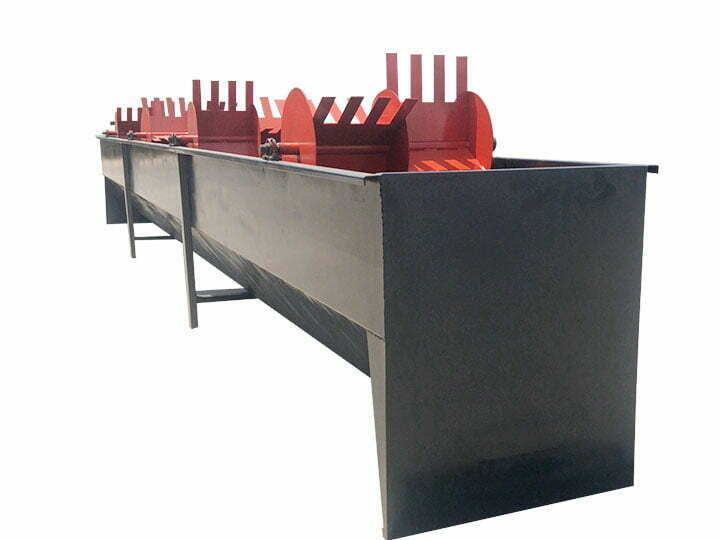
- floating tanks
- hot washing systems
- sediment separation equipment
In practical plastic recycling plant design, drainage systems are often overlooked. Poor drainage can increase moisture retention and create unstable drying conditions later in production.
For heavily contaminated film waste, some recycling plants also install multiple rinsing stages before dewatering.
Dewatering and Drying Section
Moisture control is one of the biggest factors affecting pellet quality and extrusion stability.
A well-designed drying section should reduce moisture before material enters the pelletizing system.
Common equipment includes:
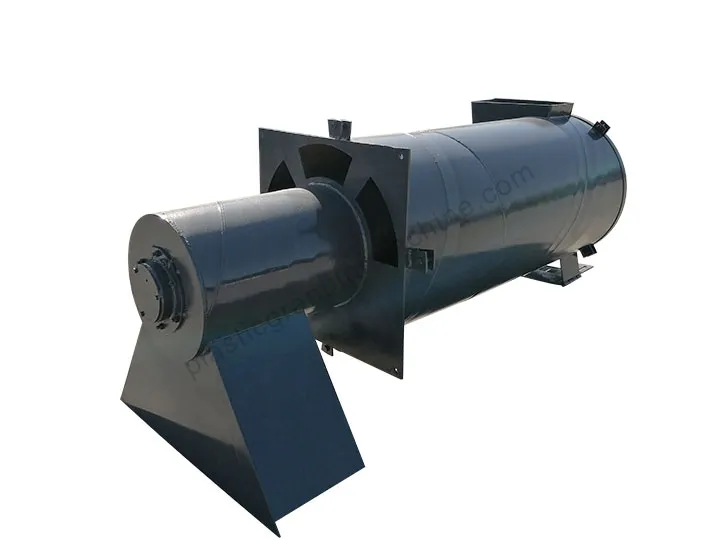
- vertical dewatering machines
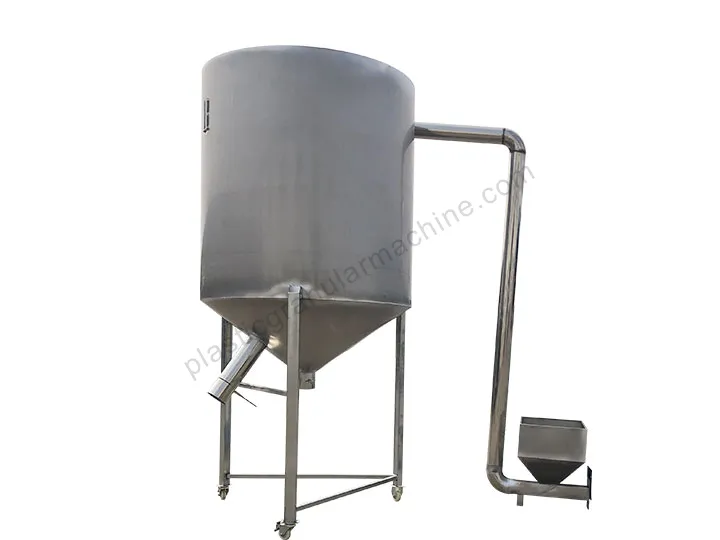
- centrifugal dryers
- hot-air pipelines
- squeezing dryers for film
For soft PE film, squeezing systems can simultaneously remove water and densify material, making feeding more stable.
In many recycling plants, placing the drying system too far from the extruder can allow material to absorb moisture again during conveying. Because of this, drying and pelletizing sections are often positioned close together.
You can also read more about moisture control and pellet consistency in this article about plastic pellet quality during recycling.
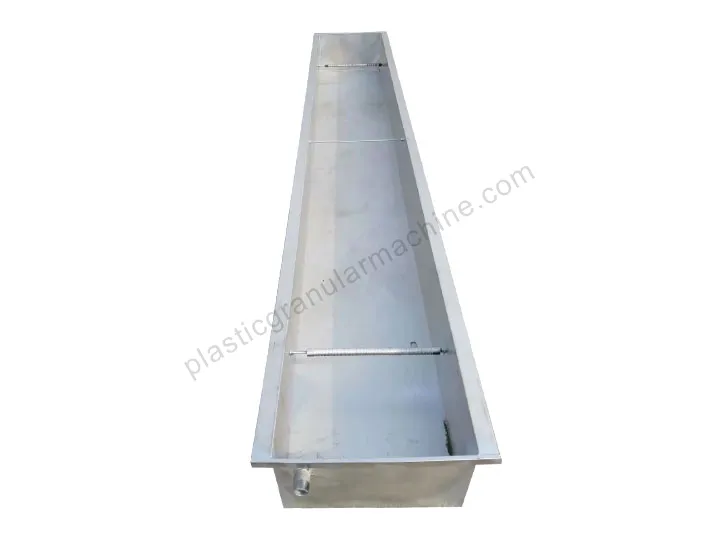
Pelletizing and Cooling Area
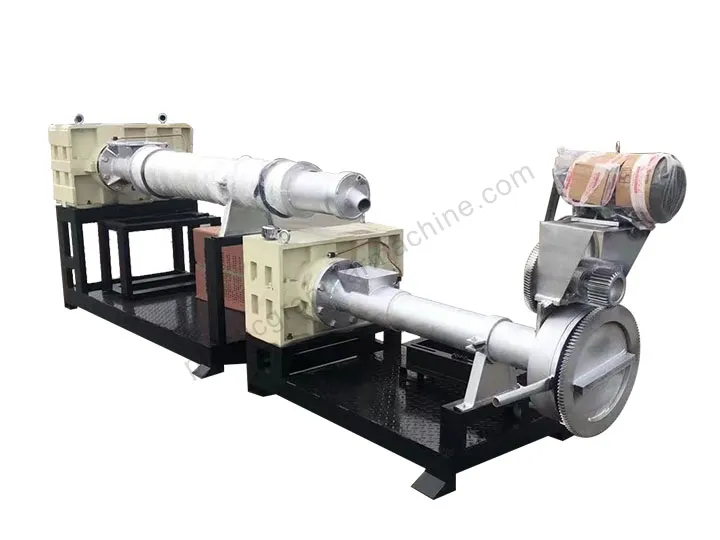
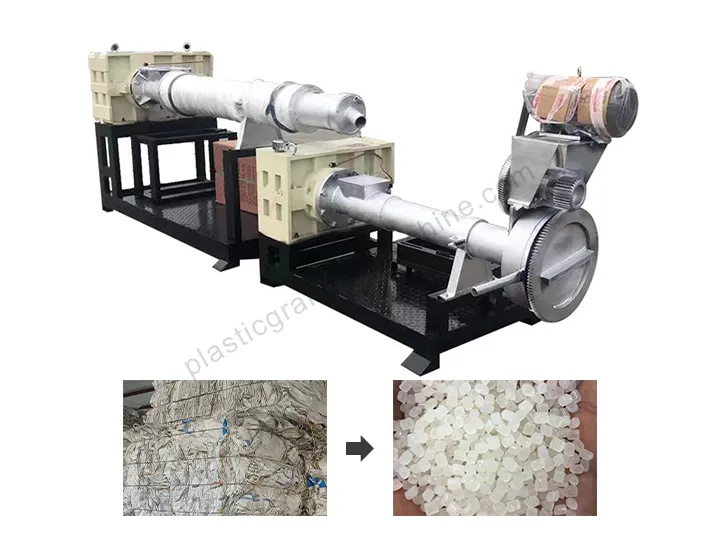
The pelletizing section is usually considered the core of the recycling plant.
A stable extrusion system requires:
- continuous feeding
- stable pressure
- reliable screen changing
- efficient cooling
Depending on the material type, recycling plants may choose:
- strand pelletizing systems
- water-ring cutting systems
- hydraulic screen changers
For film recycling applications, forced feeding systems are often installed directly above the extruder to maintain a stable feeding speed.
In large-capacity recycling plants, screen changers with continuous operation capability can significantly reduce downtime during filter replacement.
How Good Layout Design Reduces Operating Costs
A smart plastic recycling plant design can reduce operating costs in ways many investors initially overlook. For example:
- Shorter conveying distances reduce energy consumption
- Smoother material flow lowers labor intensity
- Stable drying improves pellet quality
- Better equipment spacing simplifies maintenance
In some recycling plants, simply improving machine positioning can noticeably increase production stability without changing the main extruder.
Good layout planning also helps future expansion. Many growing recycling businesses leave additional space for:
- Extra washing tanks
- Larger storage systems
- Secondary pelletizing lines
- Automatic conveying systems
This flexibility becomes increasingly important as production volume grows.
Choosing the Right Layout for Your Materials
There is no universal recycling plant layout suitable for all materials. When designing a recycling workshop, several factors should be considered:
- Raw material type
- Contamination level
- Moisture content
- Expected output
- Local labor conditions
- Workshop size
For PE film recycling, moisture control and feeding stability are usually the main priorities. For rigid plastics, crushing efficiency and material conveying are often more important. An experienced recycling equipment supplier will usually adjust the production layout according to actual raw material conditions instead of using the same configuration for every project.
Conclusion
A successful recycling project depends on more than machine specifications alone. Efficient plastic recycling plant design plays a critical role in production stability, pellet quality, labor efficiency, and long-term operating costs.
From washing and drying to extrusion and cooling, every section of the recycling process should be planned according to material characteristics and workflow efficiency.
For recycling plants processing PE film, PP woven bags, or rigid plastics, a well-designed layout can significantly improve operational performance while reducing unnecessary downtime and maintenance problems.